
AI Audio Watermarks That Survive Compression: ICML 2026
Hidden in Plain Tokens: a gradient-free audio watermarking technique accepted to ICML 2026, embedding provenance signals into AI-generated audio without model retraining.
Deep dives, tutorials, and analysis for AI-powered creators.
Hidden in Plain Tokens: a gradient-free audio watermarking technique accepted to ICML 2026, embedding provenance signals into AI-generated audio without model retraining.

A parameter-free inference technique from UNSW and Griffith University stabilizes lip sync and identity in AI talking-head video without any model retraining.
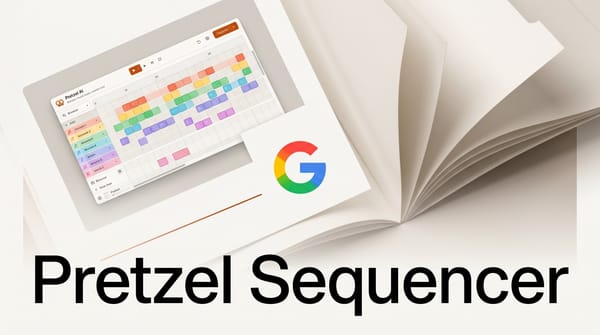
Developer Shukant Pal built Pretzel at the Google I/O hackathon on May 24, 2026: a live web-based music sequencer where an AI agent controls what everyone hears. No signup required.

George Hotz argues AI agents frontload impressive progress but stall on polish, creating a golden era of AI-generated slop that creators need to plan for.

Anthropic is reportedly preparing Memory Files for Claude: a personal wiki model that replaces the single consolidated memory note with topic-organized file storage.

xAI rolled out four new Grok connectors on May 22, letting creators design, present, and deploy from chat.

OpenAI-backed AI feature Critterz arrived at the Cannes market this week without its planned in-festival premiere, after losing Sora as a core tool mid-production. The miss tests the AI-native film pitch and exposes a vendor-risk lesson for working animators.
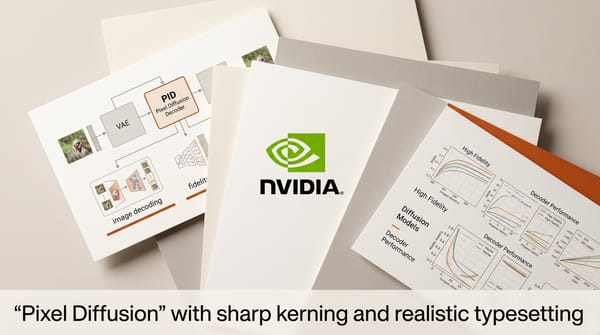
NVIDIA Toronto AI Lab open-sources PiD, a plug-in pixel diffusion decoder that replaces VAE in FLUX, SD3, and Z-Image to output 2K-4K in one distilled pass.
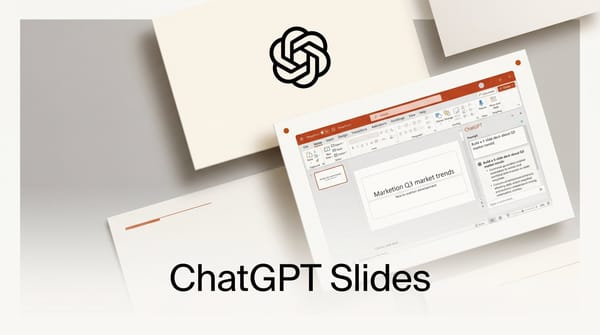
OpenAI shipped a ChatGPT add-in for Microsoft PowerPoint on May 22 that builds, edits, and audits decks from prompts on every ChatGPT tier.

Anthropic reported that Mythos Preview found over 10,000 critical software bugs through automated security analysis.

Perplexity open-sourced Bumblebee, a read-only supply-chain scanner for macOS and Linux that detects compromised packages.
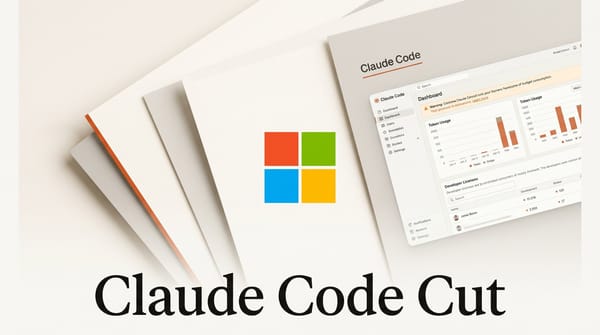
Microsoft has canceled most Claude Code developer licenses after token-based billing consumed the company's annual AI budget in less than six months. Uber hit the same wall. The numbers behind this enterprise crisis have direct implications for any creator paying AI tool subscriptions.
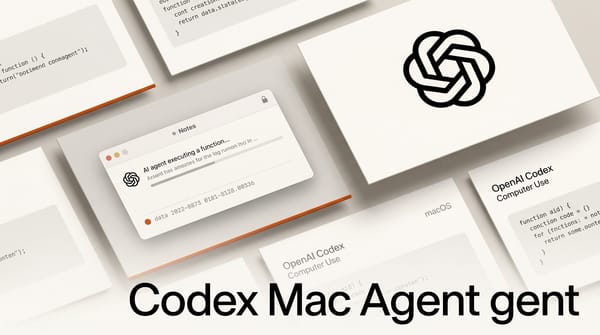
OpenAI released Computer Use for its Codex desktop app, letting the AI agent control macOS applications even when your Mac screen is locked and off.

Spotify and Universal Music Group announced a licensing deal on May 21 that clears the legal path for fans to make AI covers and remixes of UMG songs inside Spotify, launching as a paid Premium add-on.
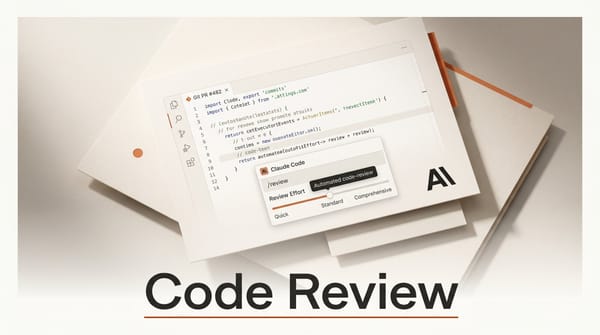
Anthropic shipped Claude Code 2.1.147 on May 21 with a configurable-effort /code-review command and a May 22 hotfix 2.1.148 for a Bash regression.