Anthropic is reportedly preparing a significant overhaul to how Claude remembers users across sessions. According to early signals documented by TestingCatalog, the update would introduce "Memory Files," a file-based system that distributes notes across multiple structured documents organized by topic or project rather than consolidating everything into a single running summary. No official timeline or announcement has come from Anthropic, but the signals are consistent with the direction the company has already taken for its managed agents.
What Happened
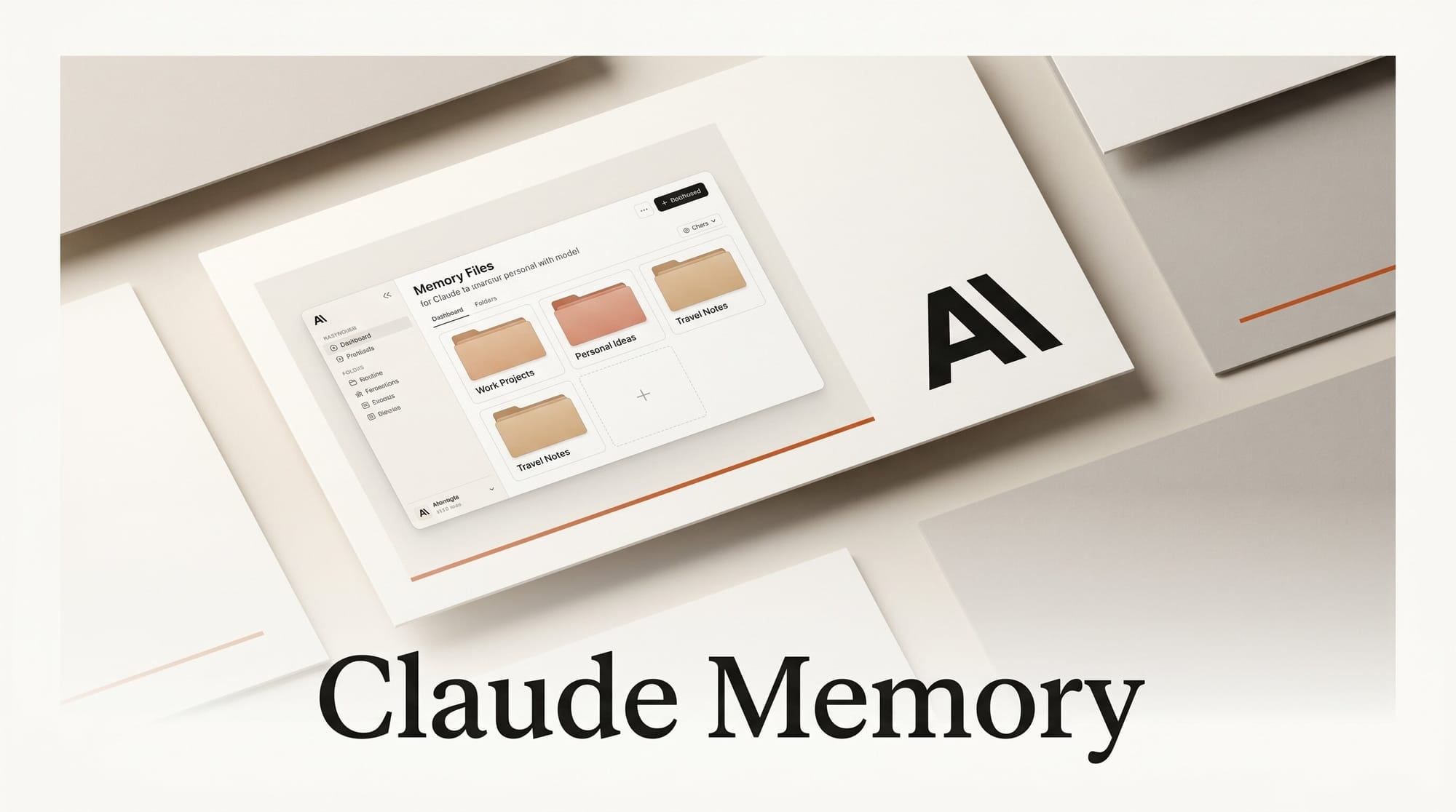
Claude currently stores user context as a single consolidated memory note that it updates and reads across sessions. The reported Memory Files system would replace this with a personal wiki model: Claude writes and reads individual files organized by topic, project, or context as conversations unfold. Users would be able to browse and edit these files directly, giving them visibility into and control over what the model retains.
Anthropic made memory filesystem-based for Claude Managed Agents in a public beta announced April 23, 2026. In that implementation, developers can export, edit, and manage agent memories via API or the Claude Console. The reported Memory Files feature appears to bring a version of this architecture to standard Claude conversations.
Why It Matters
The shift from a single consolidated note to multiple topic-specific files addresses a real limitation in current memory systems. A single summary is a lossy compression: Claude has to decide what to keep and what to drop, and older context gets overwritten as the summary grows. Multiple files let the model store more information without forcing a triage decision on every write.
For creative professionals who use Claude for ongoing projects, the implications are practical. A designer working across multiple client projects, or a video creator building a series, could in theory have Claude maintain separate memory files for each, reducing the context-switching overhead that currently requires pasting in background on each new session.
A related feature, "Dreams," is already in limited beta for managed agents. It runs as an asynchronous consolidation pass over accumulated memory files, resolving duplicates and contradictions. The Anthropic memory tool documentation covers the current file-based memory implementation for agents and gives a preview of what a consumer-facing version might look like.
Key Details
- The current single-note memory system would be replaced, not extended alongside the new format.
- Memory Files would be organized by topic, project, or context rather than stored as one block.
- Users would have browse and edit access to their memory files directly.
- This mirrors the memory architecture already live for Claude Managed Agents since April 2026.
- No official release date has been announced by Anthropic.
What to Do Next
If you rely on Claude's memory features in your current workflow, the existing single-note system remains unchanged until Anthropic ships the update. Review the memory tool documentation to understand what the file-based model already looks like for developers building agents. That implementation is the clearest preview of what the consumer version may bring.