A viral browser game called "Your AI Slop Bores Me" hit 50 million views in its first week of March 2026. Players pretend to be AI chatbots, answering prompts from real humans in 60 seconds. The joke landed because it struck a nerve: after two years of generative AI flooding every feed, platform, and storefront, consumers are fighting back. What began as scattered complaints has become a coordinated cultural movement spanning gaming, comics, advertising, and even AI companies themselves.
The anti-slop movement is not a single protest or policy change. It is a broad rejection of low-quality AI-generated content that prioritizes speed and volume over craft and meaning. And it is reshaping how creators, brands, and platforms think about the role of AI in creative work.
Background
The term "AI slop" was coined by technologist deepfates in 2024 to describe the growing flood of low-effort, machine-generated content polluting the internet. Think Facebook pages churning out "Shrimp Jesus" images, LinkedIn posts that read like three paragraphs of polished nothing, and Google results that feel like a robot summarizing other robots.
By late 2025, the problem had escalated. Generative AI tools became cheap and accessible enough for anyone to produce content at scale, but quality control remained an afterthought. The result was a web increasingly filled with material that looked professional at first glance but offered no real insight, originality, or human perspective. Consumer trust eroded. A 2026 survey found that only 26% of consumers prefer AI-generated creator content, down from 60% in 2023.
The backlash that followed was not organized by any single group. It emerged simultaneously across multiple industries, each responding to the same fundamental problem: too much AI output, not enough human value.
Deep Analysis
The Cultural Flashpoints That Sparked a Movement
The movement gained critical mass through a series of high-profile incidents, each reinforcing the message that consumers will not tolerate lazy AI content.
In December 2025, McDonald's Netherlands released a 45-second AI-generated Christmas ad that viewers immediately called "unsettling," "creepy," and "lazy." The company pulled the ad within days, stating it was "an important learning as we explore the effective use of AI." The incident proved that even major brands could not shield themselves from the anti-slop backlash.
In January 2026, San Diego Comic-Con banned AI art from its 2026 Art Show. The convention had previously allowed AI work if marked not-for-sale, but artists including Marvel contributor Karla Ortiz called the policy "a disgrace" for placing "synthetic slop" alongside real art. The reversal signaled that even institutions trying to stay neutral on AI were being forced to pick a side.
By March 2026, the viral game "Your AI Slop Bores Me" turned cultural frustration into entertainment. Created by developer mikidoodle after a Show HN post on Hacker News, the game hit 16,000 concurrent users and became a cultural shorthand for the movement.
Gaming Industry Revolts Against AI Content
The gaming industry has become the most aggressive battleground in the anti-slop war. Players have developed sophisticated methods for detecting AI-generated assets in games, and their backlash has had measurable financial consequences.
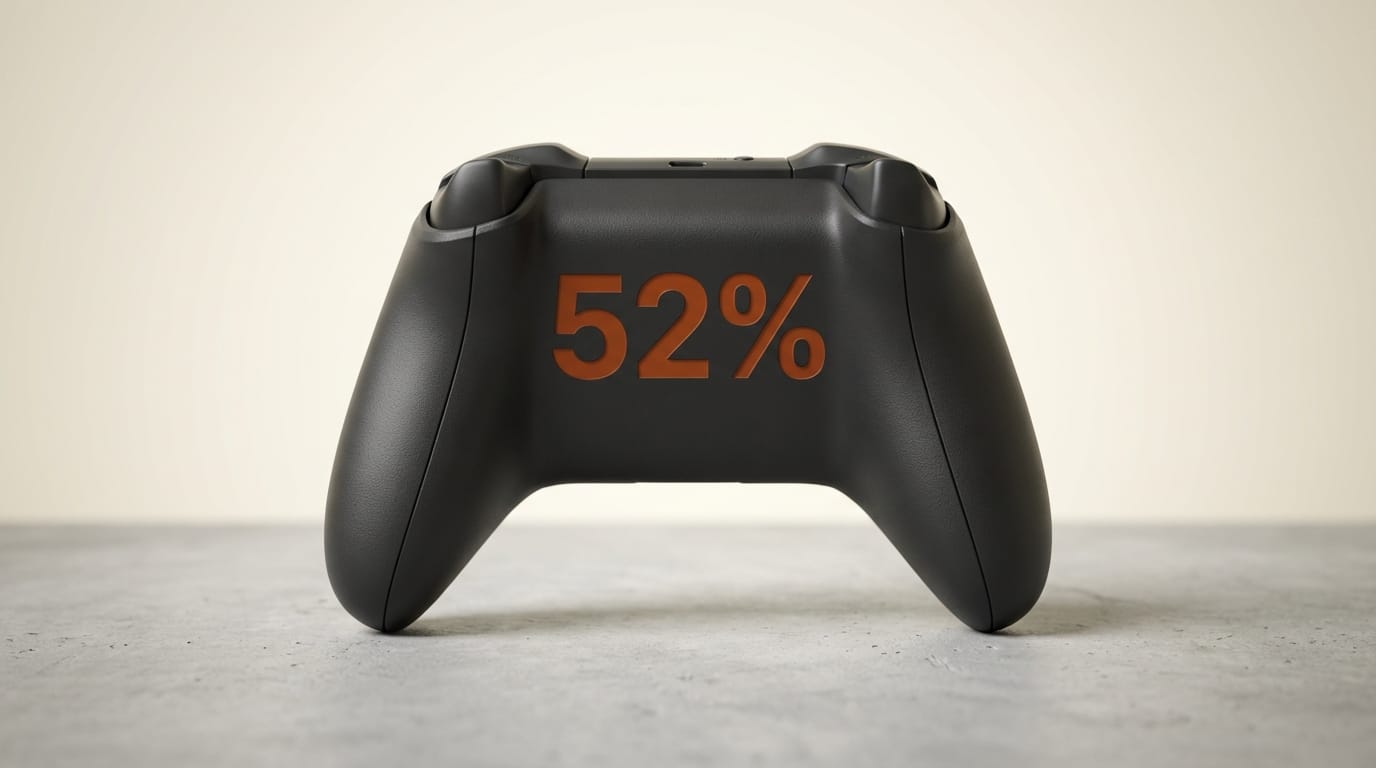
According to a Washington Post investigation, gamers suspicious of AI-generated content have forced multiple studios to cancel titles outright. The backlash is not limited to consumers: 52% of game developers now say generative AI is having a negative impact on the industry, up from 30% a year earlier. Only 7% see a positive impact.
The gaming community's resistance is particularly significant because it demonstrates that anti-slop sentiment is not confined to artists protecting their livelihoods. Consumers who simply want quality entertainment are willing to boycott products they suspect of using AI shortcuts. Studios using generative AI face what industry observers call a "death note," as players will investigate and expose any AI usage in game assets.
Brands Pivot From AI Efficiency to Human Authenticity
The anti-slop movement has created an unexpected marketing opportunity. Brands including Equinox and Almond Breeze have launched campaigns that explicitly call out AI slop, positioning human-made content as a premium differentiator.
This shift represents a reversal of the 2023-2024 trend, when brands raced to adopt AI for content creation. Digiday reports that marketers are now investing in experiential campaigns as a direct antidote to AI fatigue and digital content overload. The strategy is simple: if every competitor floods feeds with AI-generated content, the brand that demonstrates human craft stands out.
Instagram has responded by updating its algorithm to actively penalize highly polished synthetic content. The platform change rewards imperfection and authenticity, a direct inversion of the engagement optimization that fueled AI content production in the first place.
CNN labeled 2026 "the year of anti-AI marketing," and the data supports the claim. Brands are discovering that consumers are more willing to tolerate imperfections in human-created content than they are to engage with flawless but soulless AI output.
AI Companies Join the Anti-Slop Conversation
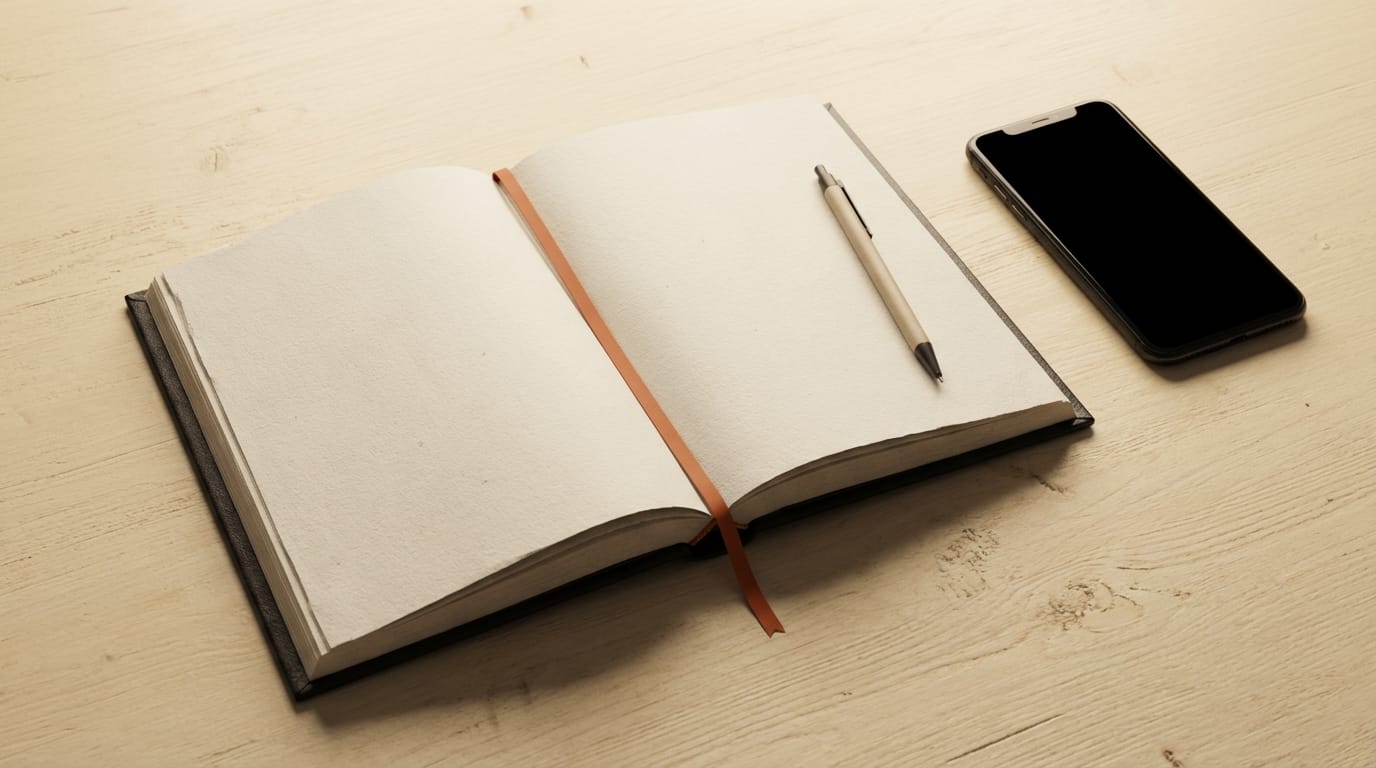
Perhaps the most surprising development is AI companies themselves co-opting the anti-slop message. Anthropic opened a "Zero Slop Zone" pop-up in New York's West Village, transforming a newsstand into a screen-free space where visitors read physical books and wrote with pen and paper. The requirement for entry: showing the Claude app installed on your phone.
The pop-up drew over 5,000 visitors and generated more than 10 million social media impressions. The event was part of Anthropic's "Keep Thinking" campaign, which positioned Claude as a tool for thoughtful work rather than content generation at scale.
Microsoft CEO Satya Nadella took a different approach, publicly calling on people to stop using the word "slop" to describe AI output. The request backfired, reinforcing the perception that major AI companies are out of touch with consumer frustration.
The divergence is telling. Companies that acknowledge the quality problem and position their tools as part of the solution are finding traction. Those that dismiss the criticism are deepening consumer distrust.
Impact on Creators
For creative professionals, the anti-slop movement represents a validation that many did not expect to arrive so quickly. The market is creating new demand for demonstrably human-made work.
Platforms are developing certification systems to highlight human-created content. Brands are paying premiums for creators who can prove their work is original. The phrase "100% human" has become a marketing badge, similar to "organic" or "handcrafted" in other industries.
The movement also creates a strategic question for creators who use AI as part of their workflow. The backlash is not necessarily against AI-assisted work, but against AI-replacement work. Creators who use AI tools to enhance their craft while maintaining a distinct human voice are largely exempt from the criticism. Those who use AI to replace the creative process entirely are increasingly unable to compete on quality or trust.
The shutdown of OpenAI's Sora in March 2026 illustrated this dynamic. The video generation tool, which cost an estimated $15 million per day to operate, failed in part because users generated massive volumes of content but little of lasting value. Quality, not quantity, is what the market rewards.
Key Takeaways
- The anti-slop movement is a cross-industry cultural shift, not a niche protest. It spans gaming, comics, advertising, social media, and enterprise software.
- Consumer preference for AI-generated content has dropped from 60% to 26% in three years, creating measurable market pressure.
- Brands are repositioning "human-made" as a premium differentiator, with campaigns explicitly calling out AI slop.
- Game studios have canceled titles due to anti-AI backlash, with 52% of developers now viewing generative AI as a net negative for the industry.
- AI companies that acknowledge the quality problem (Anthropic) are outperforming those that dismiss it (Microsoft) in consumer perception.
- Creators who use AI to enhance their craft are largely exempt from backlash. The target is AI-replacement, not AI-assistance.
What to Watch
The anti-slop movement is accelerating, and several developments in the coming months will determine its long-term impact on creative industries.
Platform policies are the immediate battleground. Instagram's algorithm changes penalizing synthetic content could spread to YouTube, TikTok, and other platforms. If discovery algorithms begin systematically favoring human-created content, the economics of AI content farms collapse.
Certification standards are emerging but fragmented. Expect consolidation around a small number of "human-made" verification systems, similar to how organic food certification evolved from dozens of competing labels to a few trusted standards.
The AI music sector is a leading indicator. With Suno reaching $300 million in annual recurring revenue while artists file lawsuits and platforms implement blocking tools, the music industry will likely be the first to establish clear boundaries between acceptable AI assistance and unacceptable AI replacement.
For creators, the message is clear: the market is not rejecting AI tools. It is rejecting lazy use of AI tools. The creators who thrive will be those who use AI to do things that were previously impossible, not to do things that humans already do well but cheaper.