
ByteDance Open-Sources Bernini-R Video Edit Model
ByteDance releases Bernini-R, an open-source video editing model that handles object insertion, removal, and replacement in existing footage using text prompts.
ByteDance releases Bernini-R, an open-source video editing model that handles object insertion, removal, and replacement in existing footage using text prompts.

Interhuman AI launched a streaming API for Inter-1 on May 20, bringing real-time behavioral signal detection from live video over WebSocket to developers building coaching and creator tools.

ComfyUI-Mesh added LTX 2.3 support on May 17, splitting the 22B video model across two GPUs over gigabit Ethernet using NVENC codec compression.

LTX Director v1.3.0 dropped today: a single ComfyUI node that replaces your entire LTX 2.3 toolkit. Timeline editing, prompt relay, 8 keyframes, and custom audio, all in one place.

Cannes 2026 opened May 12 with a formal ban on generative AI in competition. What is banned, what is allowed, and what it means for creators building with AI video tools.
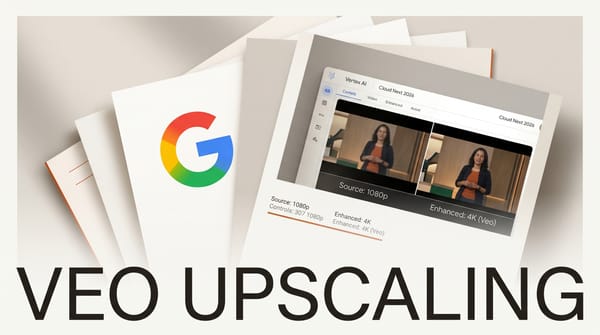
Google added a standalone Veo upscaling capability to Vertex AI on April 23, alongside the enterprise rollout of Veo 3.1 Lite. The new tool sharpens any video to 1080p or 4K, regardless of whether the source was generated by Veo, another AI model, or a traditional.
Luma launched Creative AI Agents on March 5, 2026, powered by its new Uni-1 model. The system handles end-to-end creative production across text, image, video, and audio, coordinating with external models like Google Veo 3, Nano Banana Pro, ByteDance Seedream, and ElevenLabs
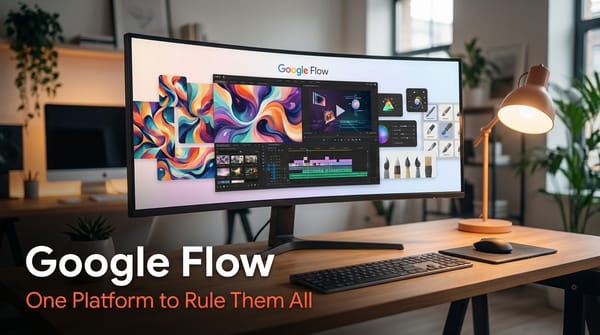
Google just killed three products and replaced them with one. On February 25, 2026, the company merged Flow, Whisk, and ImageFX into a single creative workspace powered by Veo 3.1, Nano Banana, and Gemini
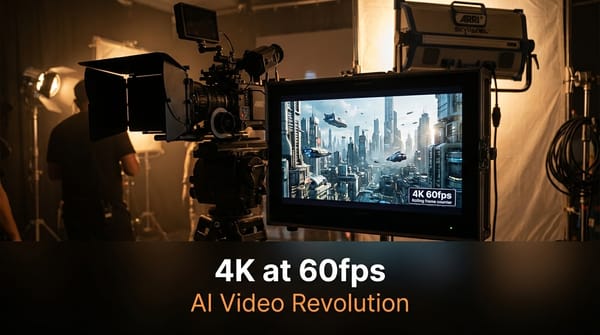
On February 4, 2026, Kuaishou launched Kling 3.0 and rewrote the specification sheet for AI video generation. Native 4K at 60 frames per second