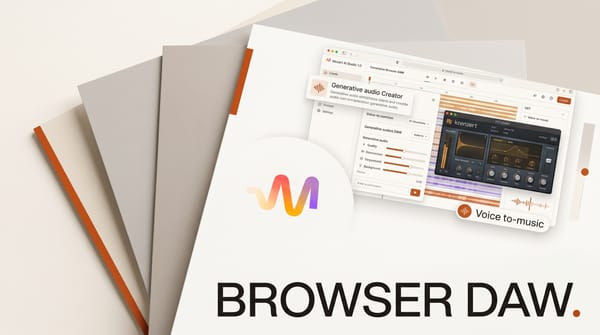
Mozart AI Studio 1.0: Browser DAW with VST Support
Mozart AI launches Studio 1.0 on April 24, 2026: a browser-based generative audio workstation adding VST plugin support, voice-to-music prompts, stem generation, and music video pipeline.
Mozart AI launches Studio 1.0 on April 24, 2026: a browser-based generative audio workstation adding VST plugin support, voice-to-music prompts, stem generation, and music video pipeline.

GRAI launched with $9M seed from Khosla Ventures and Inovo VC for AI music remix apps Music with Friends (iOS) and Remix Playground (Android). Team previously sold VOCHI to Pinterest.

Deezer reports 44% of new daily uploads are AI-generated, ~75,000 tracks per day, though AI consumption stays at 1-3% of streams and 85% are fraudulent.

Google launched Flow Music on April 18, 2026, rebranding ProducerAI into a standalone AI music studio powered by Lyria 3. Create full songs, AI music videos with Veo, and remix tracks with new Replace and Extend features -- free at flowmusic.app.
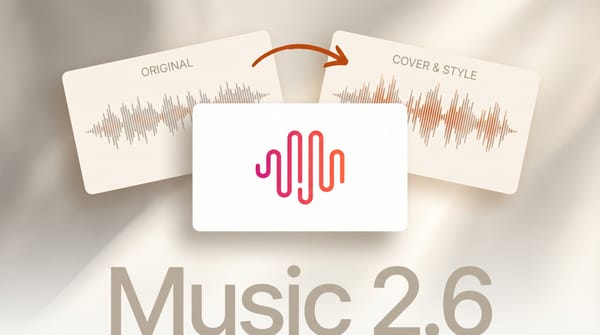
MiniMax released Music 2.6 on April 10, adding a Cover feature that extracts a song's melodic skeleton and lets creators rebuild everything around it.

Suno licensing negotiations with Universal Music Group and Sony Music have stalled over a core disagreement: whether users can download and share AI-generated songs outside the platform.

An AI-generated singer named Eddie Dalton now holds 11 positions on the iTunes top 100 singles chart and sits at number 3 on the albums chart, exposing gaps in how platforms handle synthetic music.

Murphy Campbell found AI-generated songs on her Spotify profile she never recorded, then faced copyright claims from cloned recordings on YouTube.

In one week, Suno v5.5 added voice cloning, Udio pivoted to a walled garden, Google launched Lyria 3 Pro for developers, and Spotify built artist protection tools, fracturing AI music into competing visions.

Google launched Lyria 3 Pro, an AI music generation model that creates tracks up to three minutes long with full song structure including intros, verses, and choruses.

Udio settles with UMG and WMG, pivoting from an open AI music generator to a walled-garden fan platform where no creations can be exported. Suno retains downloads. The AI music market splits.

Google launches Lyria 3 Pro with three-minute AI music tracks, developer API at $0.08 per song, and the ProducerAI acquisition. Full competitive analysis.
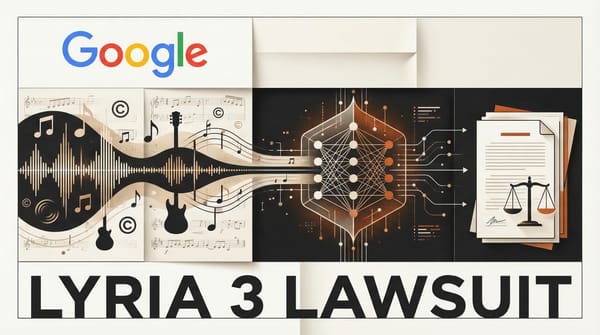
Independent musicians filed a class action lawsuit against Google, alleging Lyria 3 was trained on 44 million YouTube clips without permission.