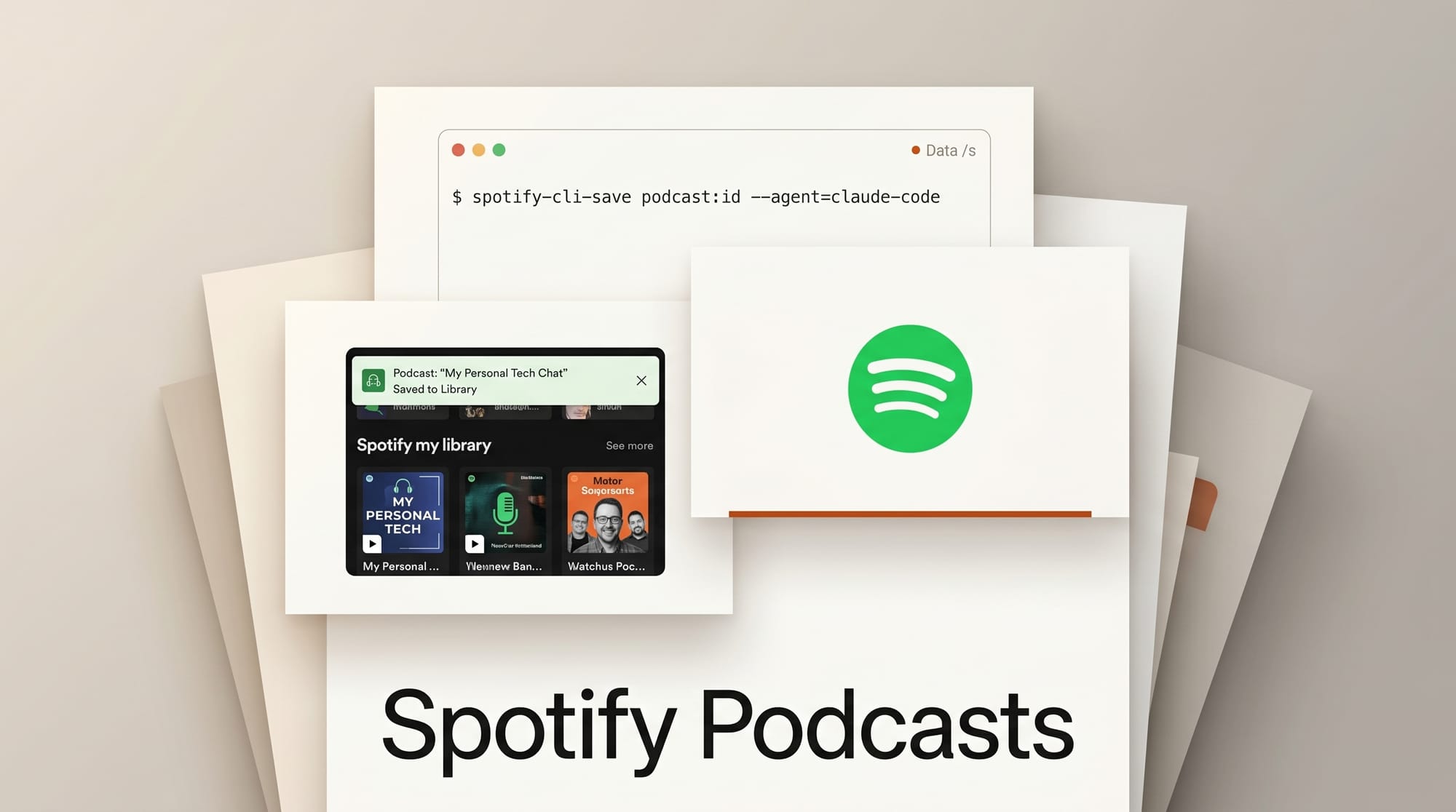
Spotify quietly opened the largest audio distribution surface in the world to AI agents on May 7, 2026. The company released save-to-spotify, a beta command-line tool that lets Claude Code, OpenAI Codex, and OpenClaw generate audio and upload it directly to a Spotify account as a private "Personal Podcast." The episode appears in the user's library on every device, with the same offline downloads, queue, and Connect controls as any other podcast, and stays private to the account that produced it.
The framing in Spotify's newsroom post is "Save Your Personal Podcast to Spotify and Listen Anywhere," and the company is positioning the tool as the missing playback layer for AI-generated audio: agents already write daily briefings, study notes, and travel itineraries, but until now nothing routed those outputs into the audio surface most people already listen on. The CLI does exactly that, with no new Spotify subscription tier and no closed-beta gate beyond the GitHub install.
What Happened
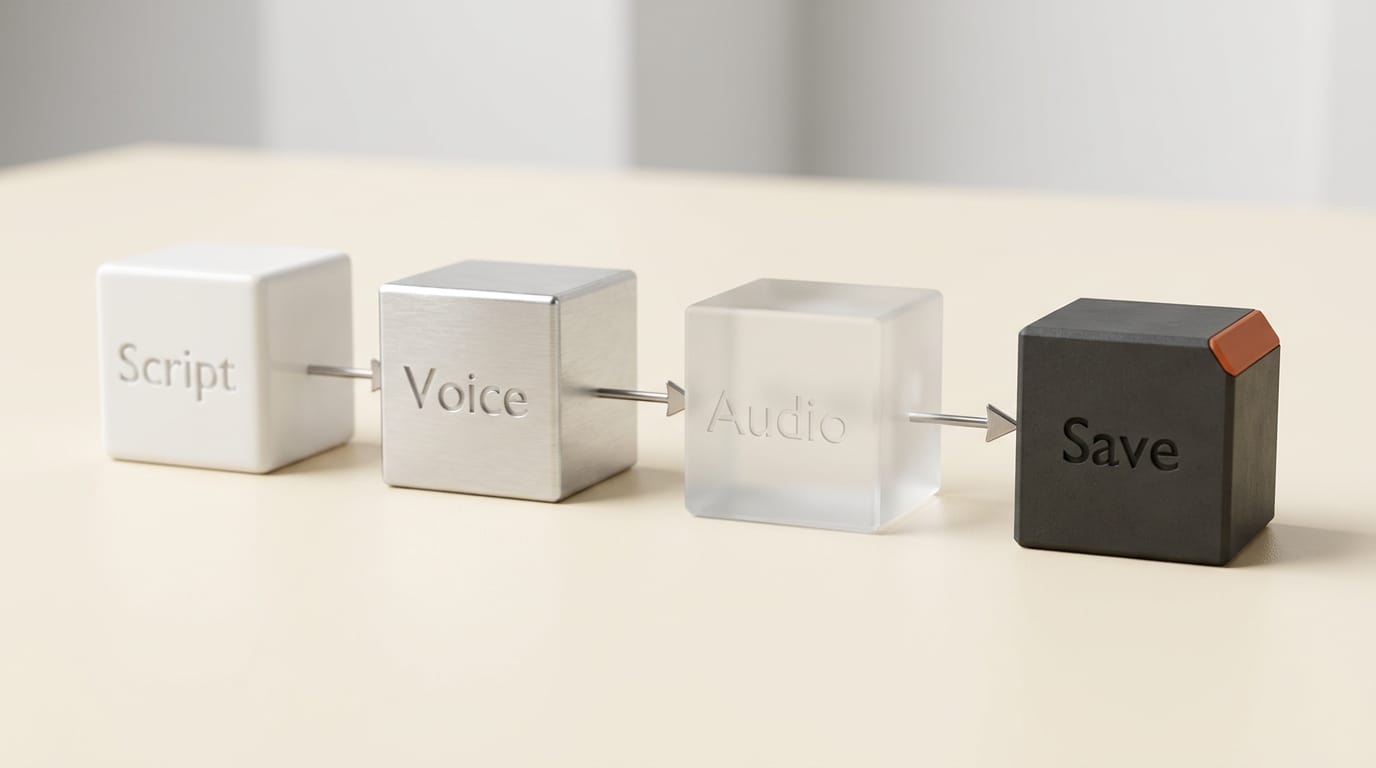
Spotify shipped two artifacts on May 7, 2026. The first is the public newsroom announcement introducing Personal Podcasts as a feature category. The second is the spotify/save-to-spotify repository, an open-source CLI built for AI agents and automation pipelines. The CLI handles four jobs: it authenticates to a Spotify account through a browser OAuth flow, accepts an audio file or text-to-speech output from the calling agent, attaches metadata (title, description, optional cover art), and uploads the result as a private podcast episode visible only to the authenticated user.
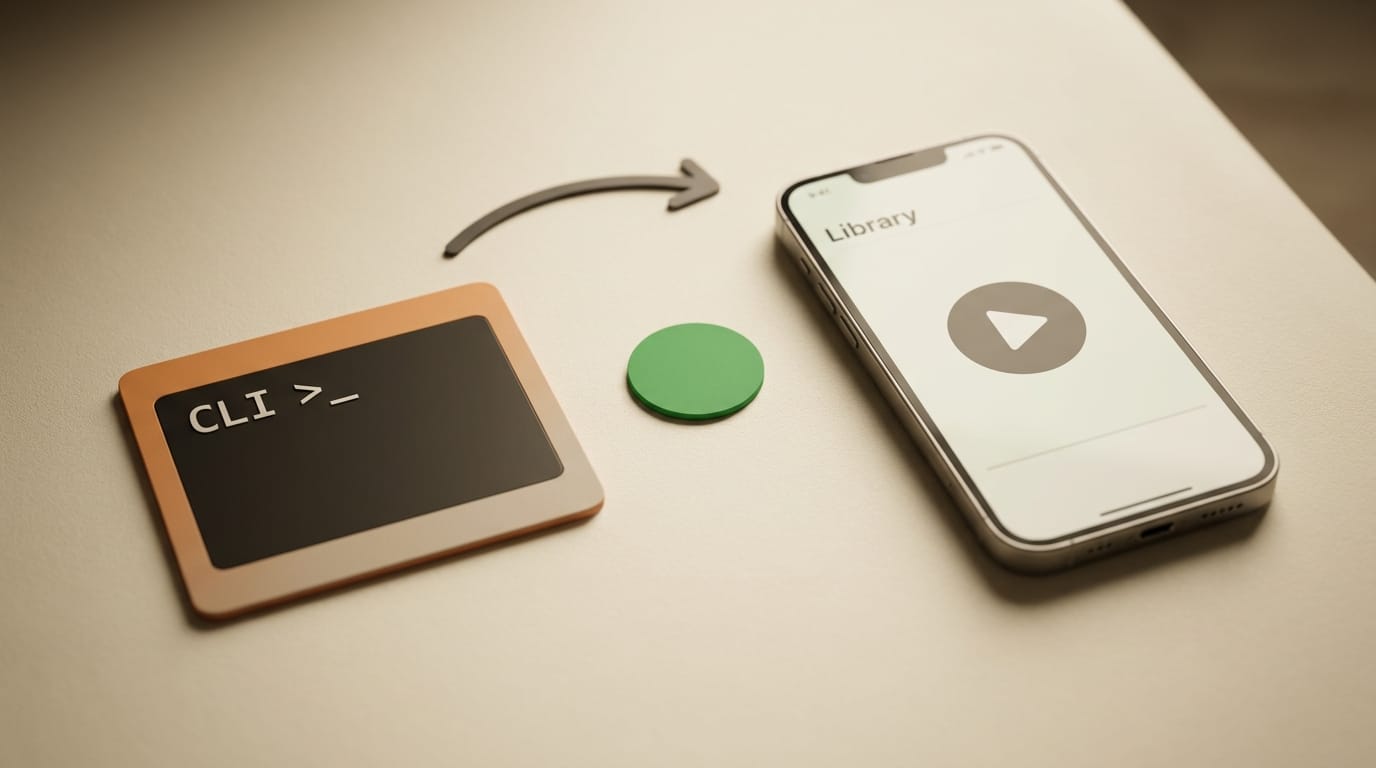
The supported launch agents are Anthropic's Claude Code, OpenAI's Codex, and the open-source OpenClaw runtime. Spotify documented the integration pattern as a single appended instruction at the end of any normal agent prompt, e.g. "summarize my calendar and tomorrow's flight, then save to Spotify." The agent generates the script, the agent or the CLI synthesizes the audio with whichever TTS the user has configured, and the CLI pushes the file into Spotify's library API. The feature is in beta, available worldwide to eligible Free and Premium subscribers, with usage limits during the beta period that TechCrunch confirmed Spotify will tune as load grows.
Privacy is the second design choice that matters. Each Personal Podcast is bound to the account that created it. It does not appear in search, in recommendations, or in any algorithmic surface. 9to5Google's reporting confirmed that other listeners on the same family plan cannot see another member's Personal Podcasts, and the episodes do not contribute to a creator's public catalog. This is a pure listener-side feature, distinct from the public Spotify for Podcasters tools that handle monetization and discovery.
Why This Matters for Creators
The story most outlets covered is "AI agents can now upload to Spotify." The story creators should care about is different: a >700M-MAU distribution platform just declared that AI-generated audio belongs in the same library as Joe Rogan and Taylor Swift, and that the standard interface to that library is a CLI any agent can call. That is a Family 4 distribution-rule change in the same shape as YouTube's "Ask YouTube" conversational search rollout in April 2026 or Instagram Edits opening text-to-video to all creators. It reshapes which workflows feed which platforms.
The immediate creator-facing implication is that audio-first content workflows now have a programmatic publishing target without needing a hosting service like Anchor, Buzzsprout, or Captivate as an intermediary. Producers who were already piping a Suno or ElevenLabs render through an RSS host can collapse that step. Educational creators who generate daily summaries from a curriculum can publish the summary as a private podcast for their students with the same agent run that wrote it. Creator agencies that build custom briefings for clients can ship them as audio that lives in the client's existing app instead of as a Loom link or an email attachment.
The second implication is competitive. Apple Podcasts, YouTube Music, and Pocket Casts do not have an equivalent agent-CLI. Spotify is staking the agent-podcast distribution lane the same way it staked the Anchor-style hosting lane in 2019. If the beta sticks and graduates, the default answer to "where does my AI agent put the audio?" becomes "Spotify," which compounds the platform's audio time-share in the exact moment when AI-generated audio volume is set to outpace human-recorded podcasts on a per-day basis.
How Spotify's Agent Surface Compares
Five platforms now offer some form of agent-callable creator endpoint. The differences are sharper than they look.
| Platform | Agent surface | Output type | Privacy default | Distribution reach |
|---|---|---|---|---|
| Spotify Personal Podcasts (May 7 2026) | save-to-spotify CLI on GitHub, OAuth, MCP-compatible | Audio episode, library entry | Private to user only | ~700M MAU listening surface |
| YouTube Ask YouTube (Apr 2026) | Conversational search, no upload CLI | Recommendation, not publishing | Public surface | ~2.7B MAU but read-only for agents |
| Picsart GenAI CLI (Apr 28 2026) | npm CLI + MCP, 130+ models | Image, video, audio assets | Account-scoped | ~150M monthly creators on Picsart |
| Instagram Edits (Apr 2026) | App-only text-to-video, no CLI | Public reels | Public | ~2B IG users, manual upload |
| TikTok Symphony AI (2025) | Web studio, no agent CLI | Ad creative | Public ads | Brand accounts only |
Three patterns emerge. Spotify is the only major consumer audio platform with an agent-callable upload primitive at this scale. It is also the only one that defaults to private rather than public output, which is the right call for the AI-personal-audio use case but unusual for a creator platform. And it is the only one whose CLI ships as an open repository on GitHub rather than as a closed REST endpoint behind a partner program, which is the same distribution pattern Picsart used eleven days earlier to push GenAI CLI into the agent ecosystem.
Workflow: Build a Daily Briefing Personal Podcast in 30 Minutes
Creators who already have an agent installed can stand up a working daily-briefing pipeline in well under an hour. The exact steps below assume Claude Code on macOS, but the same flow works with OpenAI Codex or OpenClaw on any OS the agents support.
- Install the CLI. Clone github.com/spotify/save-to-spotify and run the install script per the README. The CLI is Node-based and registers a shell command that the agent calls as a tool.
- Authenticate. Run
save-to-spotify login. A browser tab opens for Spotify OAuth. Sign in with the account that should own the Personal Podcasts. The CLI stores a refresh token locally; you do this once per machine. - Wire the agent. In Claude Code, add the CLI path to the project's
.claude/commands/or expose it as an MCP tool through any agent runner the user prefers. Verify the tool is available with a smoke test: ask the agent to list the CLI's commands. - Define the briefing prompt. Write a prompt like: "Read my calendar for tomorrow, my unread inbox, and the top three creator-AI stories from creativeainews.com today. Generate a 7-minute conversational script. Synthesize it with my preferred TTS. Save to Spotify with title 'Morning Brief, May 9' and a description that lists the topics covered."
- Schedule it. Use cron, a launchd plist, or a GitHub Actions schedule (your choice) to run the prompt at a fixed time each day. The agent does the source pulls, writes the script, calls the TTS, and uploads.
- Iterate on voice and length. The first three episodes will be too long, too dry, or both. Add explicit length constraints to the prompt ("under 6 minutes spoken at 175 wpm") and a tone instruction ("conversational, not formal"). Re-run.
For producers who want to push this further, the same pattern handles class-notes podcasts, weekly project recaps for agency clients, audio standups for distributed teams, and personalized news radio for individual subscribers. The privacy default means each subscriber needs their own CLI install and their own Spotify account, which is a friction point but also the design choice that keeps the feature out of the public-search SEO layer.
Risks and Open Questions
The most obvious risk is volume. Spotify has not disclosed how it handles per-account Personal Podcast quotas at scale, and the beta documentation explicitly warns of "usage limits during the testing period." Producers building always-on briefing pipelines should treat the CLI as rate-limited and design for graceful failure when an upload is rejected. MacRumors confirmed the limits exist but did not get a number from Spotify.
The second risk is content moderation. Spotify already pulled AI-generated catalog tracks earlier this year over voice-cloning concerns. Personal Podcasts are private, which lowers the moderation bar, but episodes that breach Spotify's platform rules can still be removed. The CLI accepts arbitrary audio, which means an agent could in principle synthesize someone else's voice and upload it; whether and how Spotify enforces against private but policy-violating uploads is an open question for the beta.
The third risk is platform lock-in. Once a creator's daily-briefing workflow lives in Spotify's library, switching to Apple or YouTube means rewriting the publishing step. Spotify has not committed to an export endpoint, which is the same pattern that made Anchor's RSS export contentious in 2020. Creators should keep the source script and the rendered audio file locally even if the published copy lives only on Spotify.
Frequently Asked Questions
Does the Personal Podcast appear in public Spotify search?
No. Each Personal Podcast is bound to the account that created it and does not surface in search, recommendations, or any algorithmic feed. Other listeners, including family-plan members, cannot see or play another user's Personal Podcasts.
Can free Spotify subscribers use this, or is it Premium-only?
Both Free and Premium subscribers can use the CLI today. Spotify has not announced a Premium-only gate. The beta usage limits apply equally to both tiers.
Which AI agents work with the CLI?
Spotify's launch documentation names Claude Code, OpenAI Codex, and OpenClaw. The CLI is a standard Node command, so any agent runner that can shell out to a CLI or call an MCP tool can drive it. Custom integrations are not blocked.
Does this replace Spotify for Podcasters or RSS-hosted shows?
No. Spotify for Podcasters and the RSS-hosted ecosystem remain the path for public, monetizable podcasts. Personal Podcasts are a separate, private listener-side surface for audio that is not meant to be discovered.
Can I use this for client work or for paying subscribers?
Indirectly. Each subscriber needs their own Spotify account and their own CLI install authenticated to that account. There is no multi-tenant publishing endpoint where one operator can push to many users. This is by design and limits abuse, but it also means agency-style "audio briefing as a service" requires the client to do the install themselves.
What to Watch
The next signal is whether Spotify expands the CLI to accept agent-callable updates, replies, and feed-style series instead of single episodes. If it does, the surface becomes a real audio-publishing primitive for AI agents and the per-account privacy boundary becomes the only reason a creator would still use Spotify for Podcasters. The second signal is whether Apple Podcasts and YouTube Music ship competing endpoints in the next 60 days; both have the technical capability and the user base, and both currently lack an agent-callable surface. The third signal is whether OpenAI, Anthropic, or Google build a first-party "save to Spotify" macro into their consumer apps, which would compress the install and OAuth steps to a single click and pull the agent-podcast workflow out of developer tooling and into the mainstream consumer surface.