OpenAI confirmed that Sora, its standalone video generation platform at sora.chatgpt.com, will shut down on April 26, 2026 -- just seven days from now. If you use Sora for client work, YouTube videos, or creative experiments, your window to export projects and find a replacement is closing fast. The good news: the competition has not stood still. The alternatives available today are, in many ways, more capable than Sora ever was.
What Sora Was Known For
When OpenAI launched Sora to the public in September 2025, it represented a genuine leap. The model could generate coherent, physically plausible video from a text prompt -- something that had eluded most competitors at launch. Its strength was scene understanding: it could render a subject moving through an environment with a consistent sense of space, light, and gravity that earlier text-to-video tools struggled to achieve.
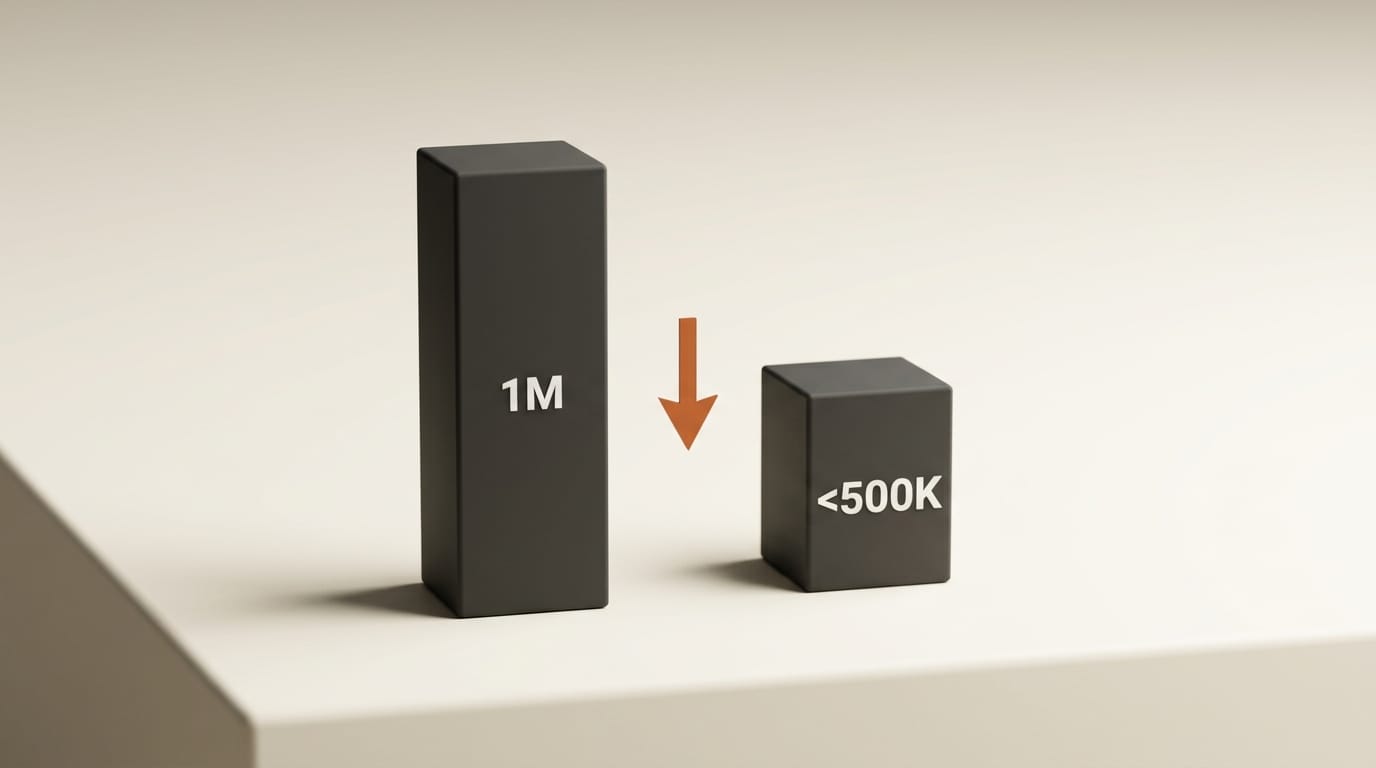
For creators, Sora's appeal was the OpenAI brand and the promise that the company would improve the model over time. In practice, output quality was inconsistent, generation times were slow, and the service cost OpenAI an estimated $1 million per day to operate. User numbers peaked near one million before declining below 500,000. The platform never found a sustainable footing.
The Shutdown: What Exactly Is Changing
This is a two-stage shutdown. Understanding the difference matters if you are an API user versus a consumer app user.
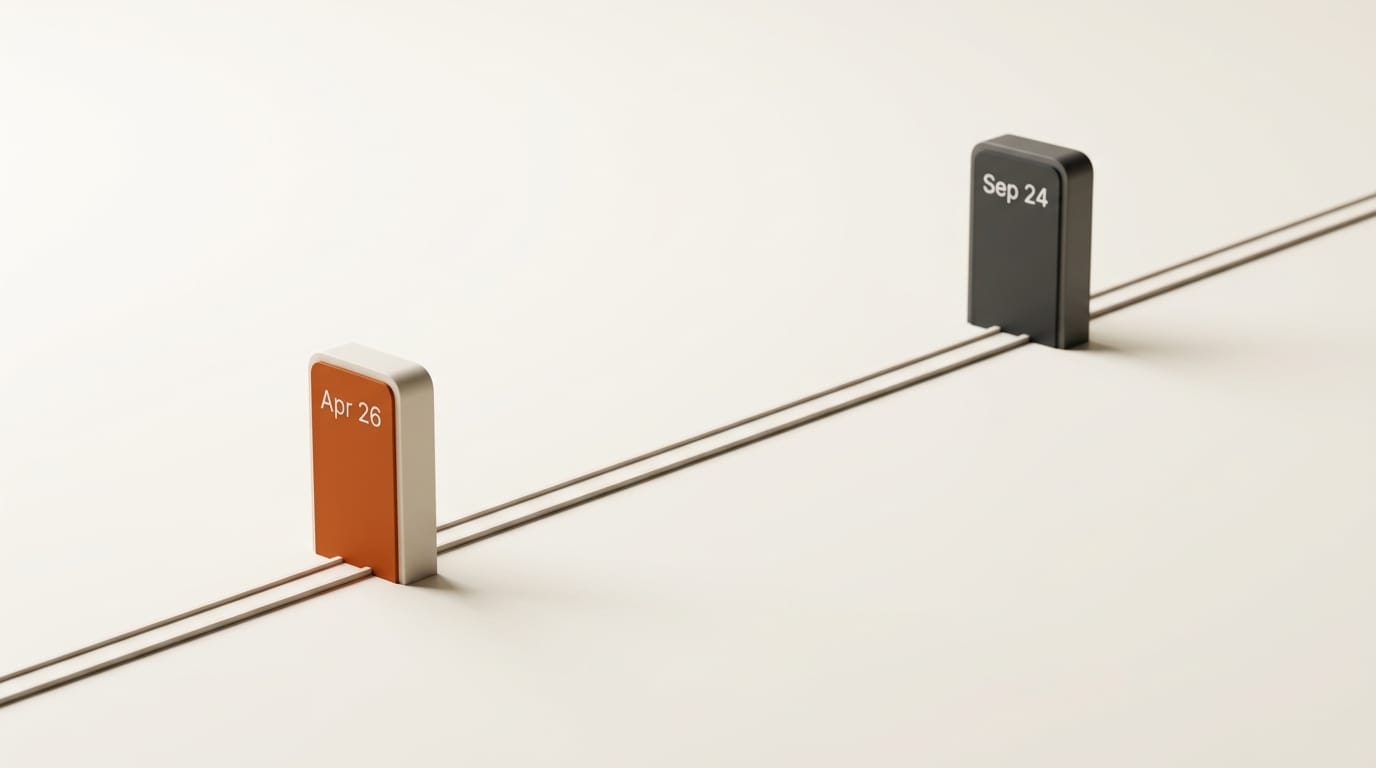
Stage 1 -- April 26, 2026: The Sora web app and consumer application at sora.chatgpt.com closes permanently. If you have generated videos, images, or projects saved in your Sora library, download everything before this date. OpenAI has not confirmed whether a post-deadline export window will be offered.
Stage 2 -- September 24, 2026: The Sora API discontinues. Developers who have integrated Sora into production pipelines have until late September to migrate to an alternative API.
What is NOT shutting down: OpenAI is continuing Sora as an internal research initiative focused on world models and physical simulation. The underlying research will continue -- the public product will not. After both shutdown deadlines pass, all user data is permanently deleted.
OpenAI cited a strategic pivot toward enterprise products and coding tools as the direction for its resources. The Sora product team has departed entirely. This is not a pause or a rebranding -- it is a complete discontinuation of the consumer and developer offering.
If you want to keep your content, the action is simple: log into sora.chatgpt.com, open your library, and download your videos and images before April 26.
The Best Alternatives Right Now
Before Sora's lights go out, here are the alternatives worth switching to:
Runway Gen-4 -- Most Polished, Pro-Grade Output
Runway has spent the last two years focused on one thing: making AI video generation usable for professional productions. Gen-4 and the newer Gen-4.5 model deliver what that investment looks like. You get up to 60 seconds of continuous video at 4K resolution with temporal consistency that holds across long clips, cinematic camera movement that responds to prompts with precision, and Motion Brush 3.0 for directing specific areas of a frame.
Pricing starts at $12/month (annual) for the Standard plan with 625 credits per month -- enough for testing and light work. The Pro plan at $28/month (annual) adds 2,250 credits, custom voice creation, and ProRes export. The Unlimited plan at $76/month (annual) adds explore mode with uncapped generation. Standard gives you access to Gen-4.5, Gen-4, and, notably, third-party models including Kling 3.0 -- meaning you can access multiple engines from one platform.
Runway is the closest equivalent to a professional video editing environment. If your work ends up on broadcast, in advertisements, or in client deliverables, Runway's quality floor and export options make it the most defensible choice.
Best for: Filmmakers, commercial producers, anyone who needs consistent cinematic quality and professional export formats.
Access: runwayml.com/pricing
Kling 3.0 -- Best Benchmarks, Fastest Iteration
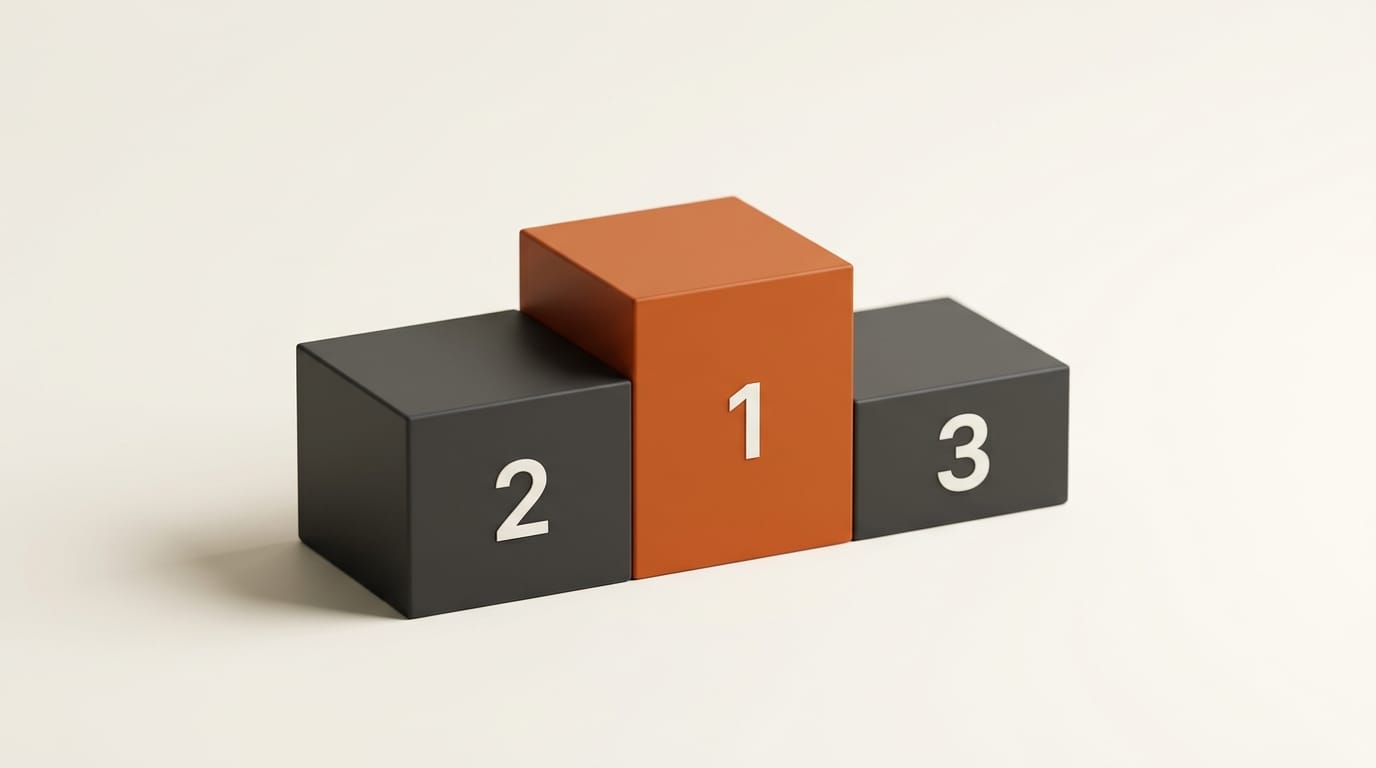
Kling 3.0, released February 5, 2026 by Kuaishou, currently holds the number one ELO score (1243) on the Artificial Analysis video benchmark, ahead of Runway Gen-4.5, Google Veo 3.1, and every other model in the field. That benchmark position matters: it reflects consistent output quality across a wide range of prompts, not cherry-picked demos.
The model generates up to 15 seconds of video at native 4K (3840x2160) at 60fps. Multi-shot storyboarding lets you specify up to six distinct camera cuts in a single generation. Character tracking supports up to three independently identified people in the same scene. Native audio generation covers English, Chinese, Japanese, Korean, and Spanish with multiple dialect options -- speech, sound effects, and ambient audio are produced in a single pass alongside the video.
Kling is available through its web platform at kling.ai on plans ranging from free (66 credits per day) to Standard ($10/month, 660 credits), Pro ($25.99/month, 3,000 credits), and Premier ($64.99/month, 8,000 credits). Through the API, Kling-V3 costs $0.084 per second at standard quality -- a 10-second clip runs roughly $0.84.
Kling is also accessible inside Adobe Firefly, which integrated Kling 3.0 and Kling 3.0 Omni in April 2026, making it available alongside Premiere workflows for creators already in the Adobe ecosystem.
Best for: Creators who need benchmark-leading quality, multi-character scenes, and built-in audio generation.
Access: kling.ai
Luma Dream Machine -- Creative and Flexible
Luma Labs took a different approach with Dream Machine: instead of racing for benchmark rankings, the platform has focused on flexibility and creative control. The Ray3.14 model supports text-to-video, image-to-video, and video-to-video generation with a tiered resolution system from draft quality up to 1080p, billed per generation rather than locked into fixed clip lengths.
Pricing follows a Plus ($30/month, $300/year), Pro ($90/month), and Ultra ($300/month) structure. All paid plans include commercial use rights and access to both Luma's own models and a set of third-party models. Guest collaborator access is included, which makes it practical for small production teams working from a shared account.
Luma's strength is in creative experimentation. The generation cost model at 1080p (80 credits per generation) is more expensive per clip than Kling at similar resolution, but the visual aesthetic -- particularly for atmospheric, mood-driven content -- has a distinct character that many creators prefer for artistic work over the photorealism-first approach of Kling or Runway.
Best for: Creative directors, music video producers, artists who prioritize aesthetic character over photorealism.
Access: lumalabs.ai
Hailuo 02 by MiniMax -- Quality at Low Cost
MiniMax's Hailuo 02 launched in June 2025 and has since generated over 370 million videos on its consumer platform. The model is currently ranked second globally on the Artificial Analysis video benchmark, behind Kling 3.0 and ahead of most Western competitors. Its core innovation is the NCR (Noise-aware Compute Redistribution) architecture, which achieves 2.5 times the training and inference efficiency of previous models, enabling native 1080p output at a price point that undercuts the field significantly.
Through the API, Hailuo 02 generates a 6-second 1080p video for approximately $0.28. That cost structure makes it the most accessible option for developers building video generation into products or for creators who need to produce high volumes without a large monthly commitment. Output quality at this price is genuinely impressive: physics simulation for realistic motion, strong prompt adherence, and 10-second clips at 768p are all available on the consumer platform at hailuoai.video for $7.99/month on the Standard plan.
Hailuo 02 is the best answer for creators who found Sora's cost-per-video prohibitive and want professional-quality output without a high monthly commitment.
Best for: Budget-conscious creators, developers integrating video generation via API, high-volume production workflows.
Access: hailuoai.video | minimax.io
Quick Comparison
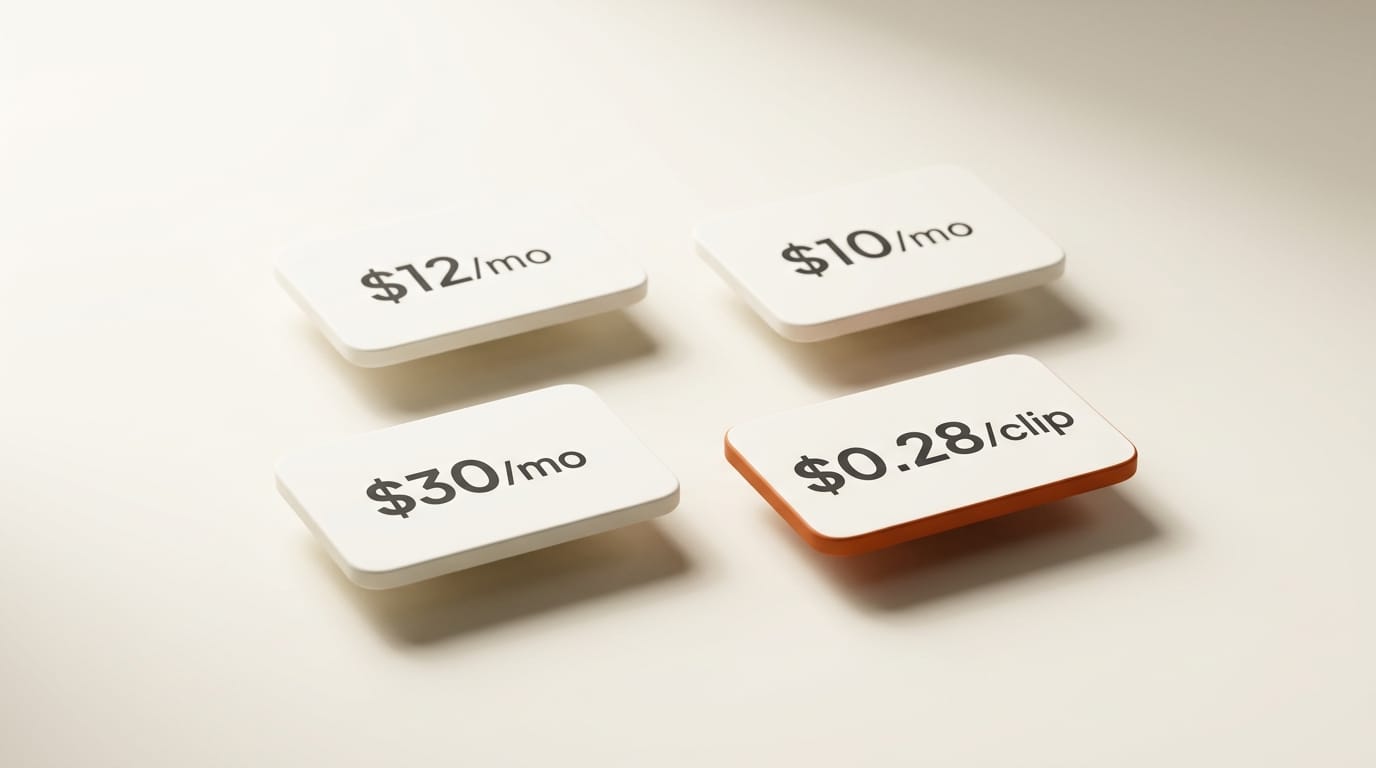
| Tool | Best For | Starting Price | Max Duration | Max Resolution |
|---|---|---|---|---|
| Runway Gen-4 | Pro/commercial production | $12/mo (annual) | 60 seconds | 4K |
| Kling 3.0 | Benchmark quality, audio+video | Free / $10/mo | 15 seconds | 4K (3840x2160) |
| Luma Dream Machine | Creative/artistic work | $30/mo | Not fixed | 1080p |
| Hailuo 02 | Budget-friendly, high volume | $7.99/mo / $0.28 per clip | 10 seconds | 1080p |
What to Do Right Now
You have seven days. Here is the priority order for action:
1. Export your Sora content. Log into sora.chatgpt.com, open your library, and download everything. Once April 26 passes, the content is gone. OpenAI has not confirmed a grace period.
2. Pick one alternative and run your typical prompts through it. The fastest way to evaluate a tool is to run your actual use cases, not demo prompts. Kling 3.0 and Hailuo 02 both have free tiers that will let you generate several test clips without committing to a subscription. Runway's free plan includes 125 one-time credits.
3. API users: start the migration now. The Sora API does not close until September 24, 2026, which sounds distant -- but if your pipeline has other dependencies, building in a migration buffer before summer is the right call. Kling's API and MiniMax's API both have comparable pricing and are in active development.
The shutdown is an inconvenience, not a catastrophe. The tools available right now -- Kling 3.0, Runway Gen-4, Luma Dream Machine, and Hailuo 02 -- collectively offer more capability than Sora did at its peak. The transition is worth making.