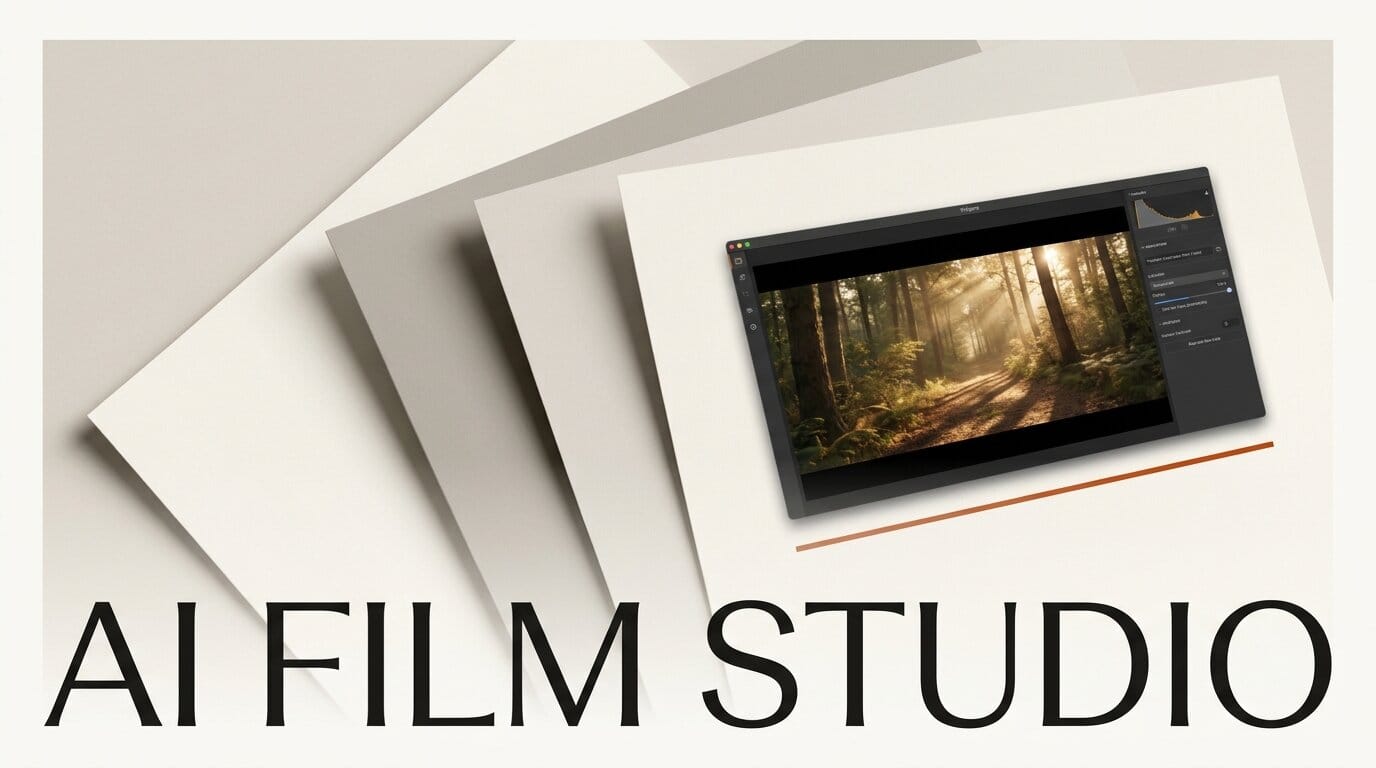
Vivijure is a new open-source project, launched June 22, 2026, that turns a written storyboard into a finished short film entirely on hardware you control. Billed as a "module host for AI film production," it runs a storyboard-to-video pipeline on your own GPU, ships under the AGPL license, and already carries 254 commits, six release tags, and four completed demo films in its repository.
What Happened
The team behind Skyphusion Labs published Vivijure Studio as a self-hosted alternative to the closed, credit-metered AI video apps that have dominated 2026. Instead of uploading prompts to someone else's servers, you write your scenes in a browser-based planner, generate keyframes locally, and animate them through your choice of rendering backend. The studio UI runs at vivijure.skyphusion.org, but the whole system is meant to live on your own machine.
Why It Matters
Most AI film tools lock your output behind subscriptions and usage credits, and they keep the rendered files on their infrastructure. Vivijure flips that. Its tagline, "free as in yours," reflects the AGPL-3.0 license: you own the pipeline and every artifact it produces. For independent creators, that means no per-second render fees, no content policies on your own footage, and no risk of a platform deleting your project. The trade-off is that you supply the compute, which is exactly the point for anyone with a capable GPU sitting idle.
Key Details
- Keyframes: Scenes start as SDXL stills generated on your own GPU.
- Seven video backends: Image-to-video animation runs through own-GPU Wan, plus optional cloud routes including Kling, Seedance, MiniMax Hailuo, Google Veo, Vidu Q3, and Wan 2.6.
- Compute: Render on a local card or burst to RunPod serverless GPUs using your own credentials.
- Architecture: A thin Cloudflare Workers core orchestrates opt-in module workers, with assets stored in your own R2 buckets.
- Characters and sound: Train LoRAs for consistent characters, then add music, narration, or lip-synced dialogue.
What to Do Next
If you have a GPU and a Cloudflare account, clone the Vivijure repository and follow the deploy guide to stand up the studio. Start small: write a three-shot storyboard, generate keyframes, and animate one shot through the own-GPU backend before wiring in any cloud services. Because every module is opt-in behind a typed hook contract, you can swap the video model per shot without rebuilding the project, which makes it a low-risk way to compare local and cloud video quality on the same scene.