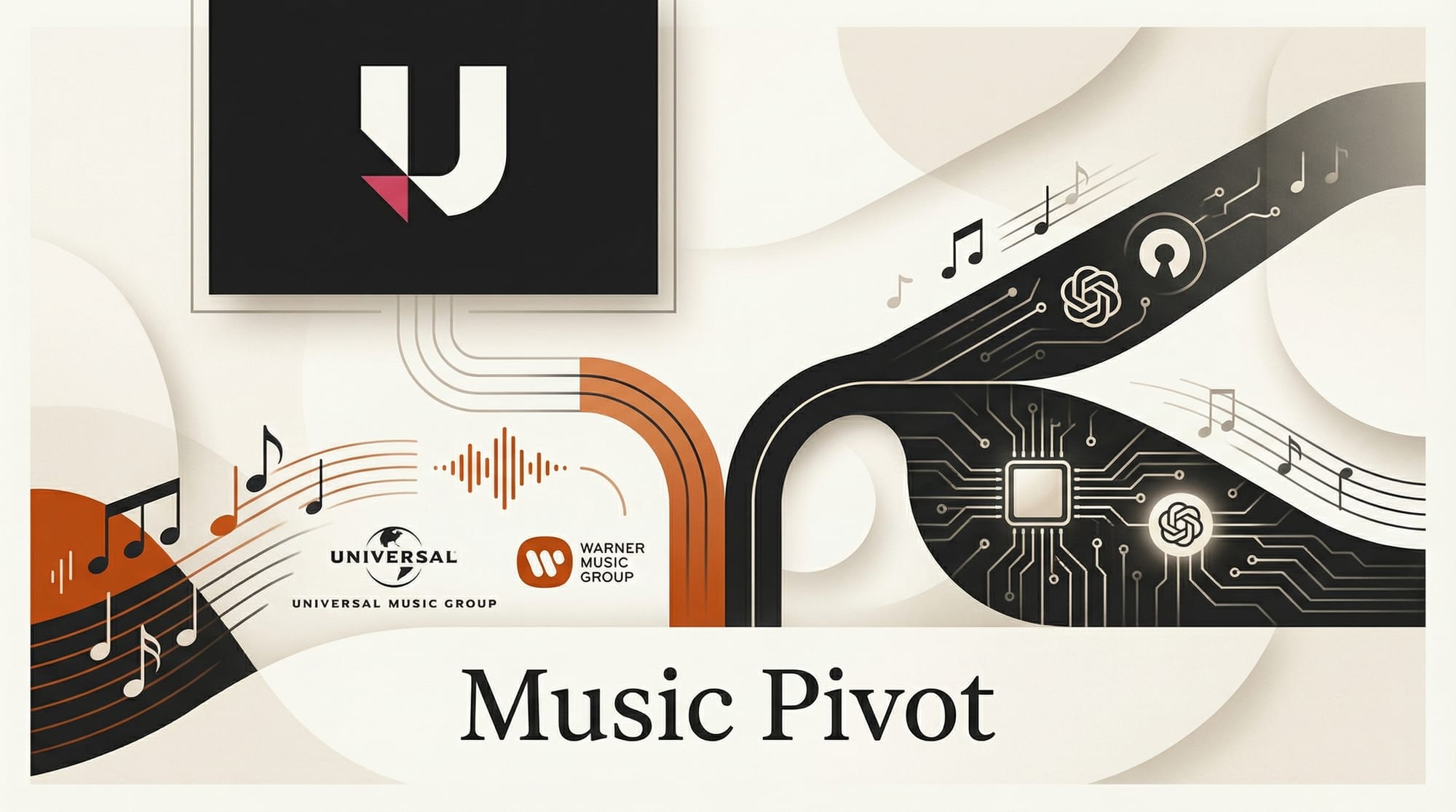
The free-for-all era of AI music generation is over. After settling copyright lawsuits with both Universal Music Group and Warner Music Group, Udio is pivoting from an open AI music generator into a walled-garden fan platform where users remix licensed music but cannot export their creations. The deal creates the clearest split yet in AI music: platforms that lock content in versus platforms that let creators own and distribute. For anyone building a workflow around AI-generated music, this changes the calculus entirely.
Background
Udio launched in 2024 as one of two leading AI music generators alongside Suno. Both platforms let users type text prompts and receive full songs, complete with vocals, instruments, and production. Both were immediately sued by UMG and WMG for training on copyrighted music without licenses.
The settlements that followed in late 2025 and early 2026 took radically different shapes. UMG's deal with Udio creates a new licensed platform launching in 2026. WMG's settlement covers both recorded music and publishing. Together, these deals redefine what Udio does as a product and what users can expect from AI music tools going forward.
Deep Analysis
The Walled Garden Model Explained
Under the new agreements, Udio becomes a closed ecosystem. Users can remix, mashup, change tempo, and swap voices on licensed tracks by artists who opt in. But nothing created on the platform can be downloaded, exported, or posted elsewhere. The explicit goal is to prevent "direct cannibalization" of artists' actual tracks on streaming services.
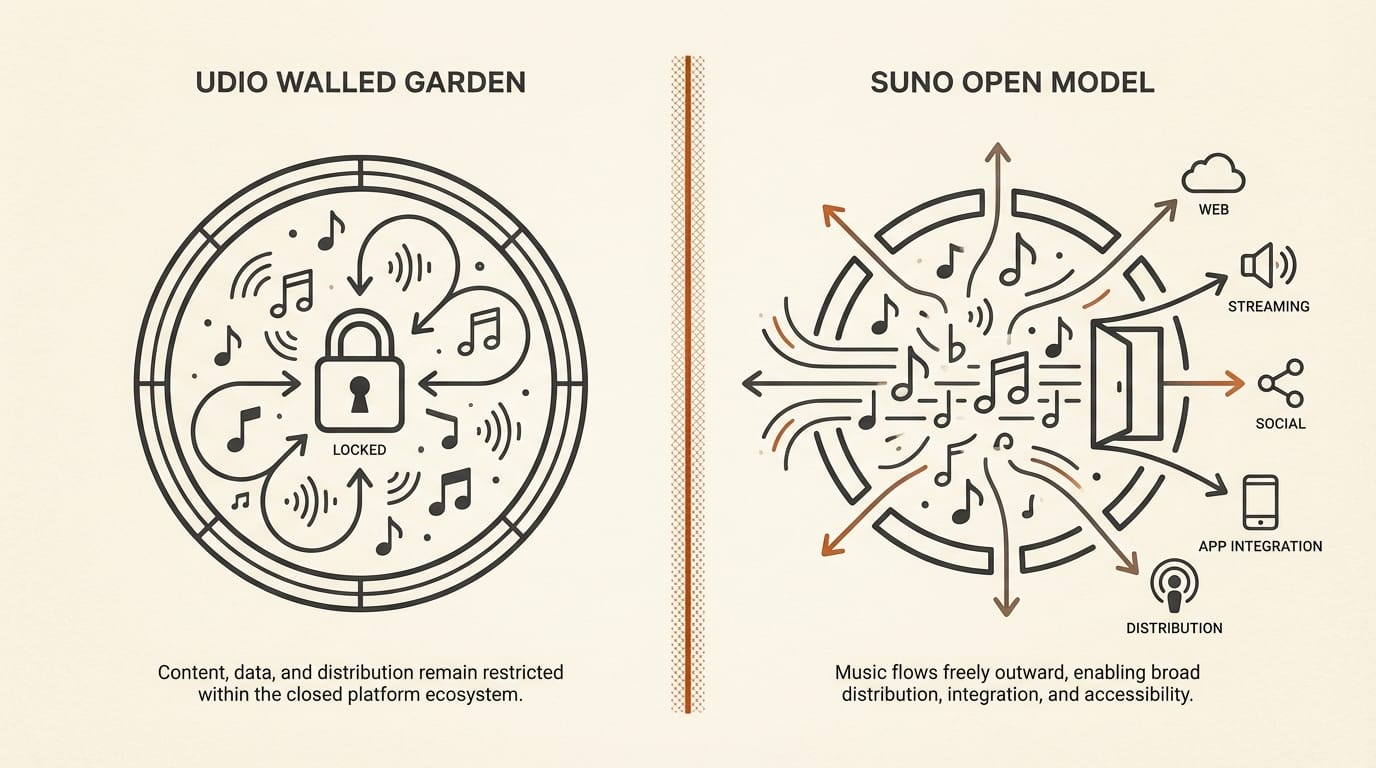
Udio disabled downloads ahead of the transition, giving users a 48-hour grace period to retrieve previously created tracks. The new platform is expected to launch in 2026 with capabilities including mashups, remixes, and voice swapping with artists' voices. Participating artists get paid both for the use of their music in model training and when fans generate new songs from their work.
How Suno's Deal Differs
Suno's settlement with WMG preserved much of its core functionality. Users can still create songs and download them, though the training data must be licensed and users pay for downloads. Industry observers broadly agree that Suno secured the more favorable terms of the two AI music companies.
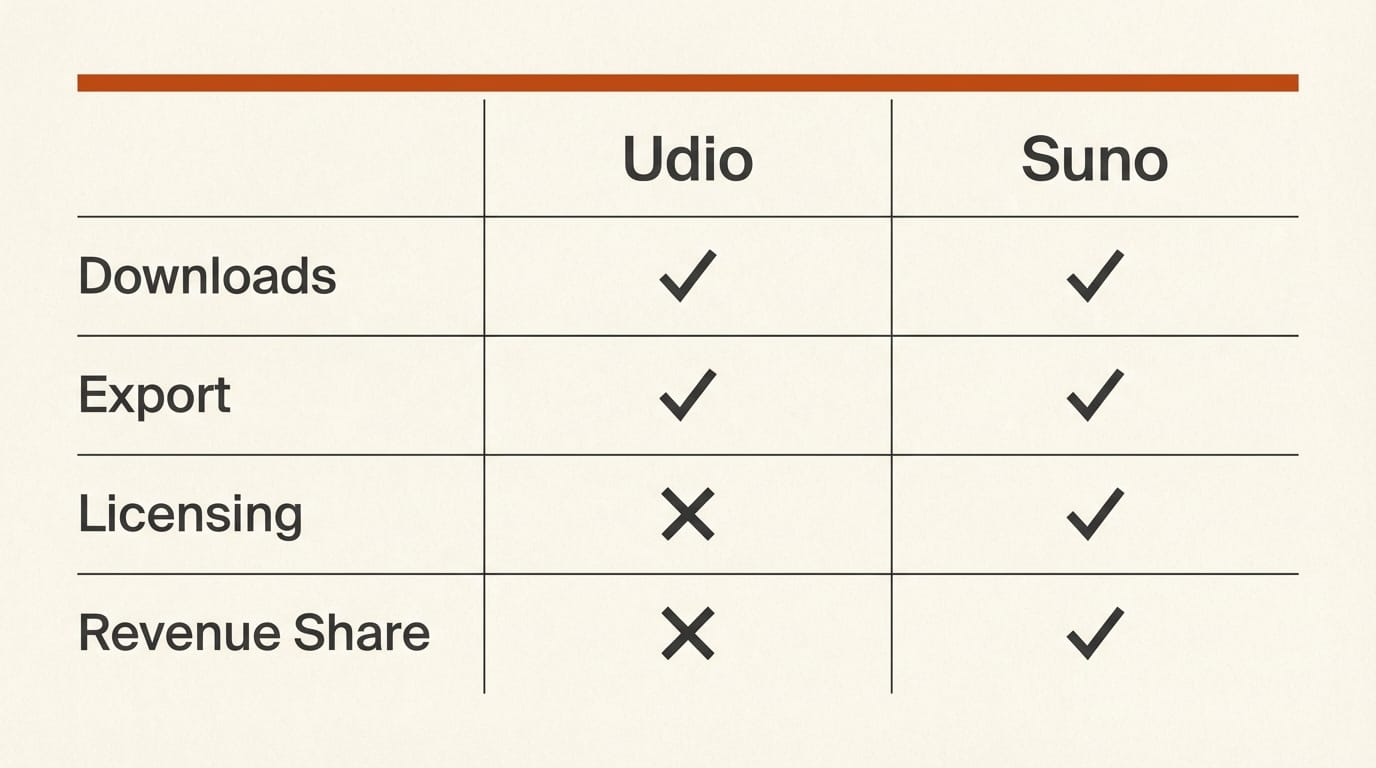
Suno's leadership has publicly criticized the walled garden approach, calling for "open studios" that allow users to create and download AI-generated music within licensed frameworks. UMG, meanwhile, has characterized the walled garden as essential to protecting artist interests, and this stance appears to be a key reason UMG has not reached a settlement with Suno.
What This Means for the AI Music Landscape
The settlements create a clear ideological split in the AI music landscape. On one side: platforms that license and restrict (Udio). On the other: platforms that license and allow exports (Suno). This split forces every other player in the space to pick a side.
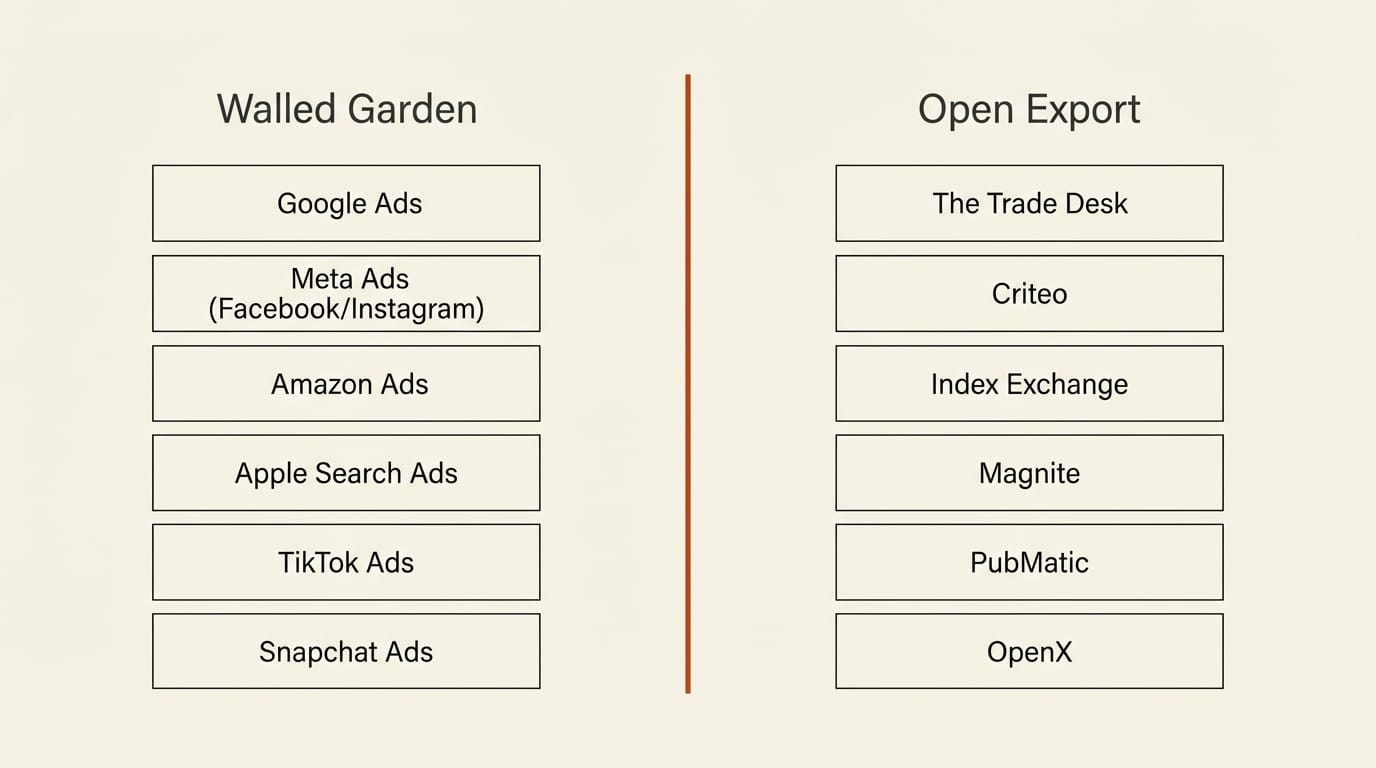
For standalone tools like ElevenLabs Music and Flowtonik, the Udio settlement is a signal that major labels are willing to negotiate licensing deals with AI music companies. But the terms matter enormously. A deal that locks creators into a single platform is fundamentally different from one that lets them export and distribute.
The Opt-In Question
Both the UMG and WMG deals are opt-in for individual artists. This is a critical detail. If major artists choose not to participate, Udio's platform launches with a limited catalog that undercuts its core value proposition. The opt-in structure also means artists retain leverage: they can pull their music from the platform if the compensation structure proves unfavorable.
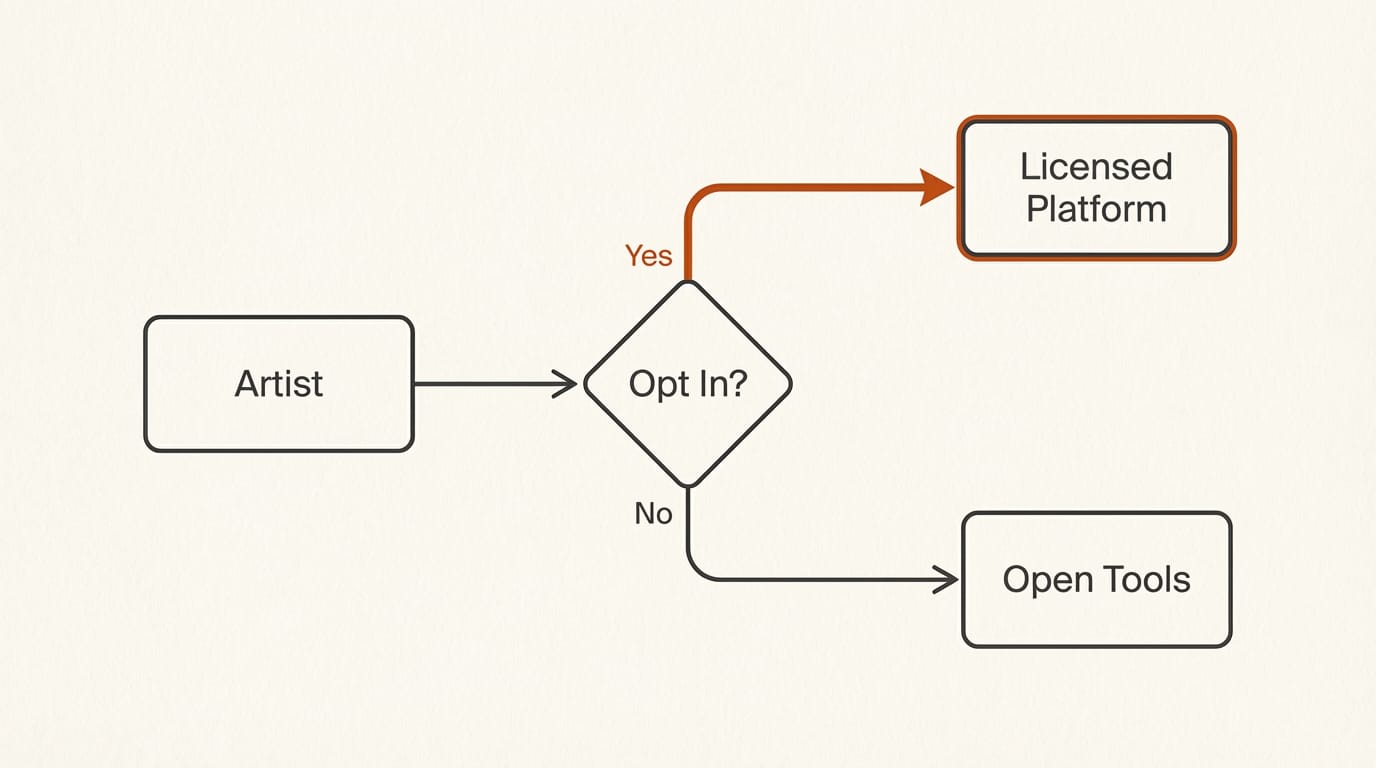
The compensation model pays artists for both training data usage and per-generation royalties. Whether that compensation is sufficient to attract top-tier artists remains to be seen. Early participation signals will be the most important indicator of the platform's viability.
Impact on Creators
If you have been using Udio for music creation in content workflows, the platform you relied on is fundamentally changing. Exported tracks from the old Udio model carry licensing uncertainty. Any AI-generated music you created before the settlement and distributed commercially exists in a legal gray area that these settlements do not retroactively resolve.
Creators who need to own and distribute AI-generated music should evaluate alternatives. Suno V5 Studio retains download and export capabilities under its licensing deals. ElevenLabs Music Marketplace offers a different model where creators sell AI-generated tracks. For a broader view of what is available, see our AI music and audio tools landscape report.
Key Takeaways
1. Udio is pivoting from an open AI music generator to a walled-garden fan platform where no creations can be downloaded or exported.
2. Suno secured more favorable settlement terms, retaining download rights and core functionality for its users.
3. Both UMG and WMG deals are opt-in for individual artists, meaning catalog availability depends on artist participation.
4. The settlements create a lasting split in the AI music market between walled-garden platforms and open platforms with export rights.
What to Watch
The first wave of artist opt-ins will determine whether Udio's new platform has enough catalog depth to attract users. If major artists stay away, the walled-garden model becomes a walled garden with nothing worth visiting. Watch also for how independent labels respond. The major-label deals set precedent, but indie labels and unsigned artists represent a massive share of the music ecosystem. How they navigate AI licensing will shape the market as much as the UMG and WMG settlements. For creators, the message is clear: know which model your tools use before you build a workflow around them.
Deep dive by Creative AI News.
Subscribe for free to get the weekly digest every Tuesday.