OpenAI Begins Rolling Out GPT-6 Astra
OpenAI began rolling out GPT-6 Astra on September 3, its most capable model for computer use, browsing, and software engineering, with paid ChatGPT tiers and the API to follow in the coming days.
Deep dives, tutorials, and analysis for AI-powered creators.
OpenAI began rolling out GPT-6 Astra on September 3, its most capable model for computer use, browsing, and software engineering, with paid ChatGPT tiers and the API to follow in the coming days.

Runway unveiled GWM Worlds 2 on September 3, a research preview of a real-time world model that generates steerable, explorable interactive worlds with audio and multiplayer.
IFM released K2 Horizon on September 3: six fully open models from 0.9B to 375B, shipped with weights, code, and training data under Apache 2.0. Here is how to download and run them.

Character.AI launched (c.ai) Comics on September 2, a premium feature that turns AI character chats into fully illustrated, multi-page comic books with consistent character art.
TONE3000 launched a free, open-source plugin that streams more than 700,000 Neural Amp Modeler captures and impulse responses straight into your DAW.
Alibaba shipped an upgraded Qwen3.8-Max snapshot on September 2, 2026, post-trained for coding, with its CodeArena web-dev score up 22 points to 1,691 for first place.

Midjourney has opened testing on its V8.2 edit model and folded it into an editor that lives inside the lightbox, so you can revise an image with plain-language instructions.
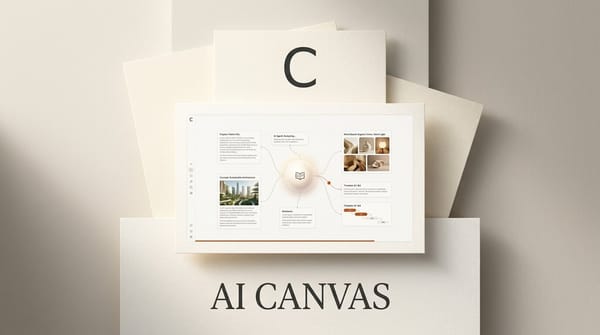
Causal is a new spatial AI canvas for planning creative projects, now free on Mac and web. A built-in agent reads the entire board to organize and expand your ideas.

PhiloLabs used Claude Fable 5.1 agent swarms to generate an explorable, MIT-licensed browser 3D city, Union Square SF, as Three.js code you can run and fork.
Multiverse Computing launched Quasar 438B, a GA reasoning and coding model available now via the CompactifAI API and the highest-scoring European model on Artificial Analysis.
Celeris-1 Magnus is a hybrid diffusion language model built for agentic work that the startup says runs faster than autoregressive models on tool-heavy tasks. It exposes an OpenAI-compatible API available today.
Meta shipped Muse Voice Transcribe on September 1, 2026, a real-time speech-to-text model that streams transcription, diarizes 20-plus speakers, and posts a 3.1% word error rate.
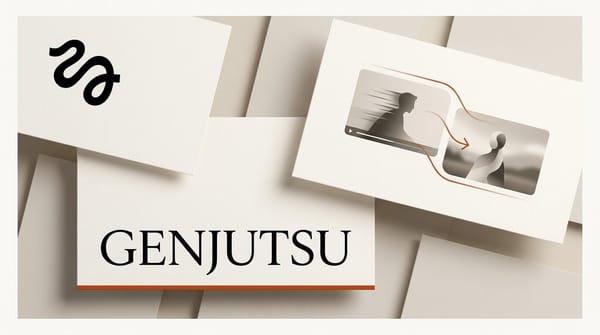
Higgsfield Genjutsu launched as the company strongest AI video transformation tool, recasting a whole shot by transferring motion onto a new cast and world.