Framer Server API Lets AI Agents Build and Publish Sites
Framer launches Server API in open beta, enabling AI agents and automated workflows to sync CMS, publish changes, and update designs programmatically.
Deep dives, tutorials, and analysis for AI-powered creators.
Framer launches Server API in open beta, enabling AI agents and automated workflows to sync CMS, publish changes, and update designs programmatically.

Independent musicians filed a class action lawsuit against Google, alleging Lyria 3 was trained on 44 million YouTube clips without permission.
Anthropic launched Claude Code Review on March 9, 2026, a multi-agent system that dispatches teams of AI reviewers on every pull request. The tool uses color-coded severity ratings and boosted thorough code reviews from 16% to 54% in internal testing
Yann LeCun's AMI Labs raised $1.03 billion at a $3.5 billion pre-money valuation, making it Europe's largest seed round ever. LeCun left Meta at the end of 2025 to build "world models" that learn from physical reality rather than text alone
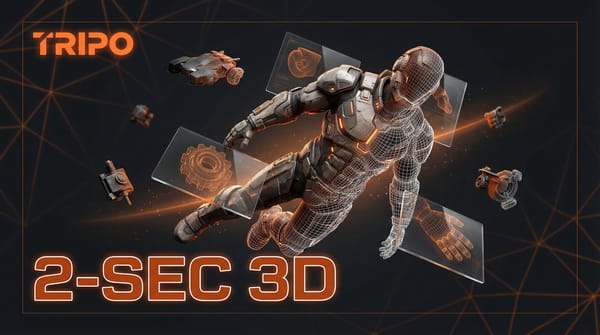
Tripo debuted P1.0, a native 3D diffusion model that generates production-ready 3D assets in roughly two seconds, at GDC 2026 in San Francisco
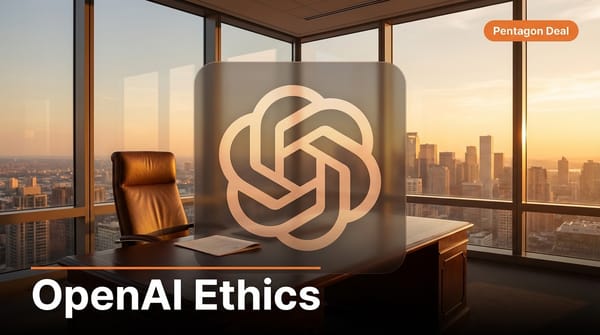
Caitlin Kalinowski, OpenAI's head of robotics and consumer hardware, resigned on March 7, 2026, over concerns about the company's recently announced Pentagon deal
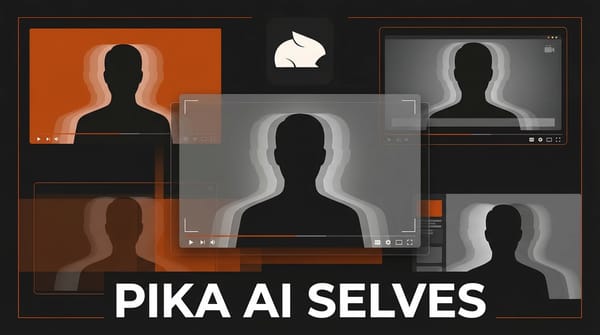
Pika Labs launched AI Selves on March 7, 2026, a feature that creates persistent AI video avatars from user-uploaded reference material. Each AI Self has memory, personality traits, and can appear in any scene the creator generates through Pika's existing text-to-video pipeline

Anthropic launched the Claude Marketplace on March 6, 2026, a procurement platform where enterprises can spend their existing Anthropic commitments on third-party applications built on Claude
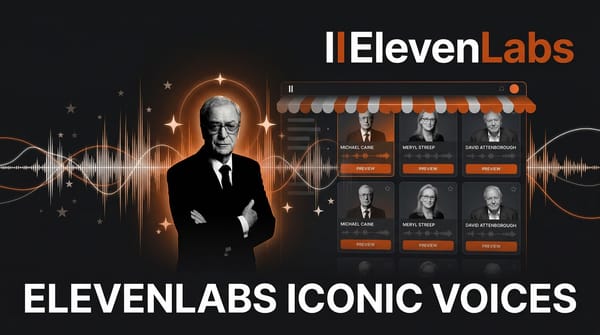
ElevenLabs launched its Iconic Voice Marketplace in early March 2026, a licensing platform where celebrity voices are made available to businesses and creators for commercial use
IBM released Granite 4.0 1B Speech on March 6, a compact multilingual speech model that now ranks first on the OpenASR Leaderboard for automatic speech recognition
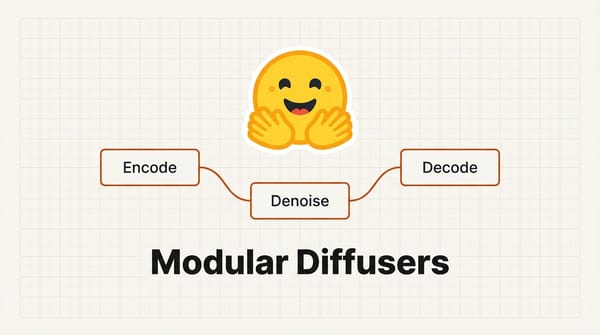
Hugging Face launched Modular Diffusers on March 5, replacing the monolithic DiffusionPipeline with a composable block system
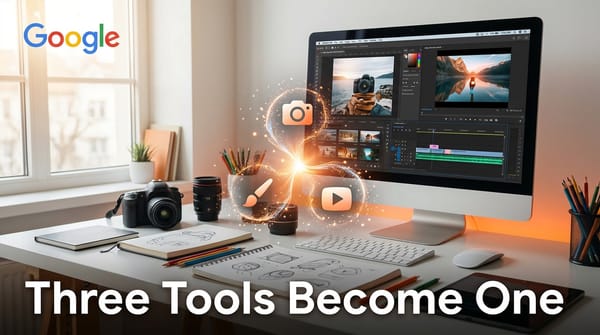
Google merged three separate AI creative tools into one platform in March 2026. Flow now combines Whisk (mood boards and collages), ImageFX (text-to-image generation), and Flow's original video capabilities into a single workspace powered by Veo 3.1 and Nano Banana
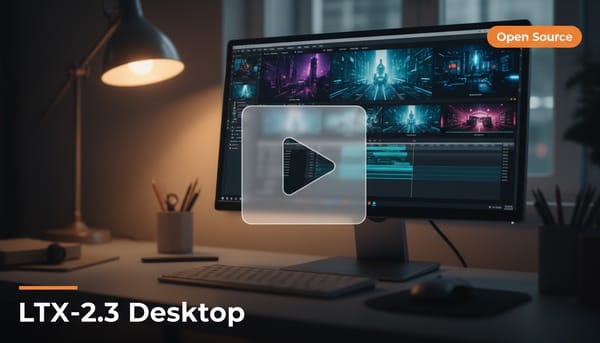
Lightricks released LTX-2.3 on March 5, 2026, a 22-billion-parameter open-source video generation model with native audio, portrait video support, and a companion desktop editor that runs the entire model locally. The release ships under Apache 2.0, making it free for commercial use and fine-tuning
Kiwi-Edit, a new open-source video editing framework from NUS ShowLab, launched on March 5, 2026, combining text instruction guidance with reference image control to handle both global and local video edits at 720p resolution
Luma launched Creative AI Agents on March 5, 2026, powered by its new Uni-1 model. The system handles end-to-end creative production across text, image, video, and audio, coordinating with external models like Google Veo 3, Nano Banana Pro, ByteDance Seedream, and ElevenLabs
OpenAI launched GPT-5.4 on March 5, 2026, introducing native Computer Use mode that lets the model read screens and control mouse and keyboard inputs directly. The release also brings a 1M token context window, 33% fewer factual errors across benchmarks, and 47% token efficiency gains
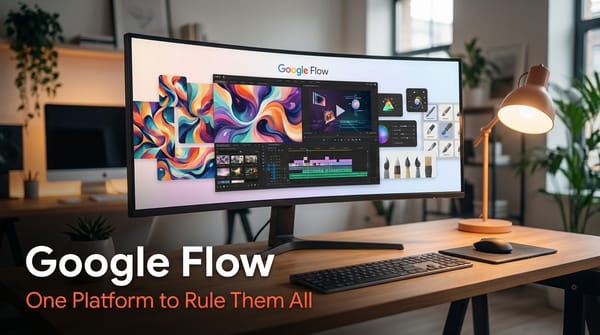
Google just killed three products and replaced them with one. On February 25, 2026, the company merged Flow, Whisk, and ImageFX into a single creative workspace powered by Veo 3.1, Nano Banana, and Gemini
OpenAI released the Codex coding agent app for Windows on March 4, 2026, expanding beyond the Mac-only launch. The app is temporarily free for ChatGPT Free and Go subscribers, with doubled rate limits for all paid tiers
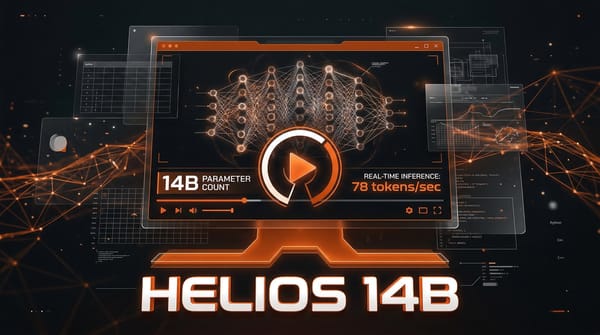
Helios is a 14-billion-parameter open-source video model that runs at 19.5 FPS on a single NVIDIA H100, generating up to 60 seconds of video in real time. Built by Peking University, ByteDance, and Canva, it launched under the Apache 2.0 license on March 4, 2026
OpenAI released GPT-5.3 Instant on March 3, 2026, replacing GPT-5.2 Instant as the default model in ChatGPT. The update reduces hallucinations by 26.8% on high-stakes queries, eliminates the preachy tone users complained about, and ships to all ChatGPT users including the free tier
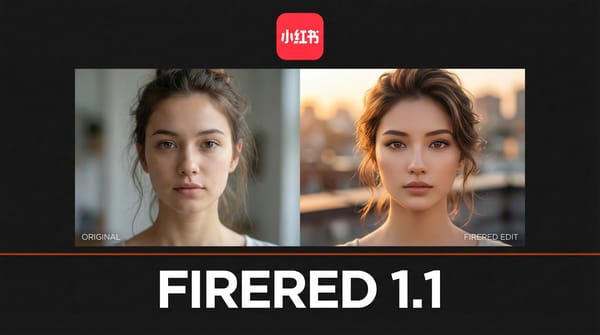
Xiaohongshu's Intelligent Creation team released FireRed-Image-Edit 1.1 on March 3, 2026, achieving a composite score of 7.94 across five authoritative benchmarks and claiming the top spot among open-source image editing models