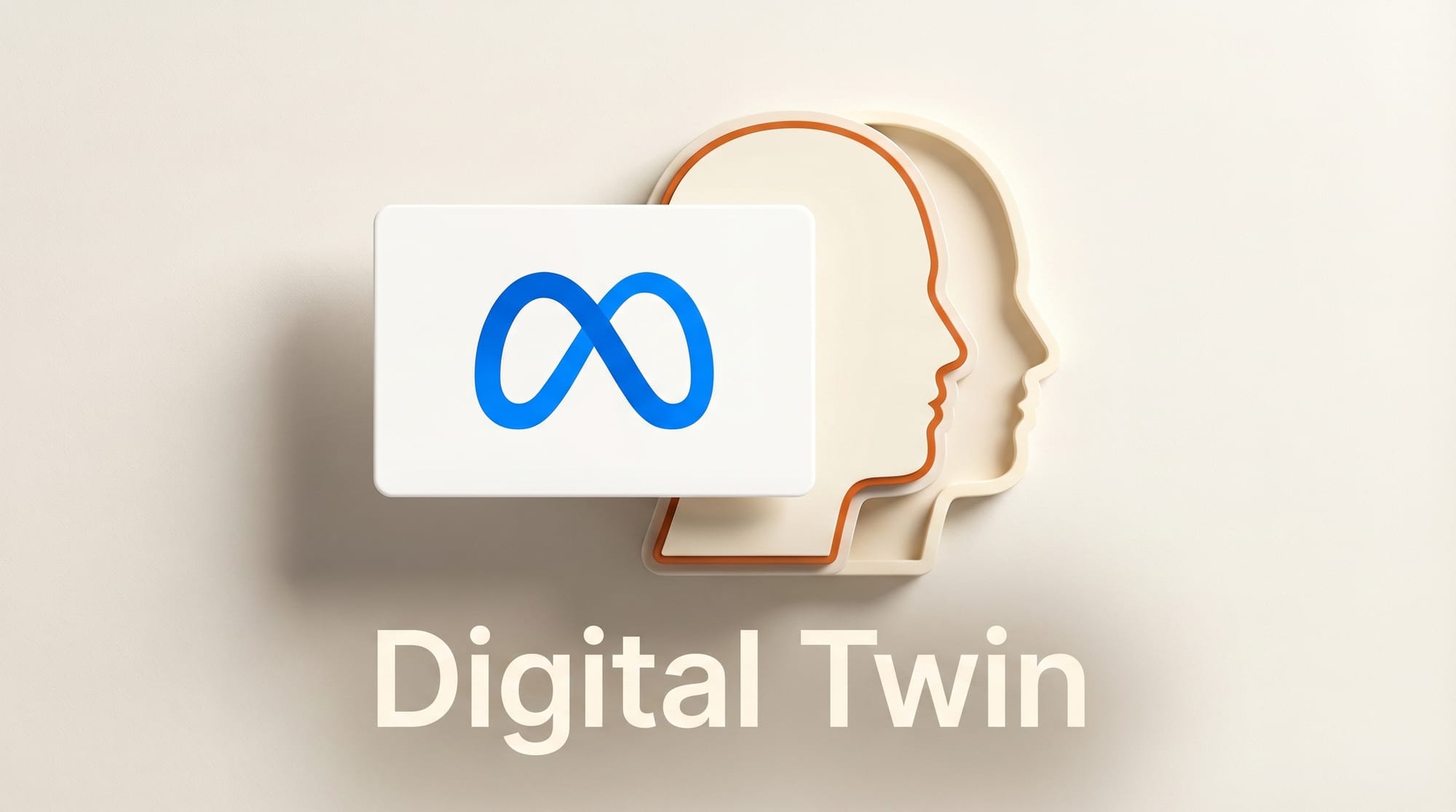
Meta is developing a photorealistic AI avatar of CEO Mark Zuckerberg that can hold conversations, answer questions, and deliver feedback to the company's 72,000 employees, the Financial Times first reported on April 13. The project sits within Meta's newly formed Superintelligence Labs and could eventually let creators and influencers build their own digital twins.
What Happened
Meta's Superintelligence Labs is building an AI character that replicates Zuckerberg's appearance, voice, tone, and mannerisms using publicly available statements, voice recordings, and his current thinking on company strategy. Zuckerberg is directly involved in training and testing the digital twin, which requires heavy computing power to generate realistic movements and speech with minimal conversational delay.
The avatar is designed to interact with employees on internal platforms when Zuckerberg is unavailable, handling everything from strategic Q&A to direct feedback. The project reflects a broader shift at Meta: Zuckerberg now spends five to ten hours weekly coding and joining engineering review sessions as the company races to catch OpenAI and Google in AI development.
Why It Matters
The creator angle is the real story. If the internal avatar works, Meta plans to extend the technology through its existing AI Studio platform, which already lets creators build digital personas that interact with followers. A photorealistic, conversational digital twin would be a significant upgrade over current text-based AI characters, giving YouTubers, streamers, and influencers a way to scale audience interaction without being personally available 24/7.
This also signals where the avatar market is heading. Rather than generic chatbots, the next wave of creator tools will likely focus on personalized AI that captures individual communication style, visual identity, and domain expertise. For creators managing large audiences across multiple platforms, a trained digital twin could handle community Q&A, personalized responses, and even live interactions.
Key Details
- Led by Meta's Superintelligence Labs, specializing in photorealistic AI characters for real-time interactions
- Trained on Zuckerberg's public statements, voice, mannerisms, and strategic thinking
- Requires heavy compute for realistic real-time conversation with minimal latency
- Designed for Meta's 72,000 employees initially
- Creator/influencer digital twins planned if internal deployment succeeds
- Builds on Meta's existing AI Studio for creator personas
What to Do Next
Creators already using Meta's AI Studio should watch for announcements about photorealistic avatar capabilities being added to the platform. If you build content around audience interaction (live streams, community management, coaching), start thinking about what a digital twin of your creative identity would need to know. The technology is still in early development, but Meta's track record of shipping internal tools as public products suggests this could move fast.