A misconfigured data cache exposed Anthropic's biggest secret on March 26: Claude Mythos, an AI model the company says represents a "step change" over Claude Opus 4.6 in coding, reasoning, and cybersecurity. The accidental leak revealed a phased rollout strategy starting with enterprise defenders before general access. For creators building on Claude's ecosystem, Mythos signals the largest single capability jump since the Opus 4 series launched, but its arrival raises questions about what happens to workflows built around current model limitations.
Background
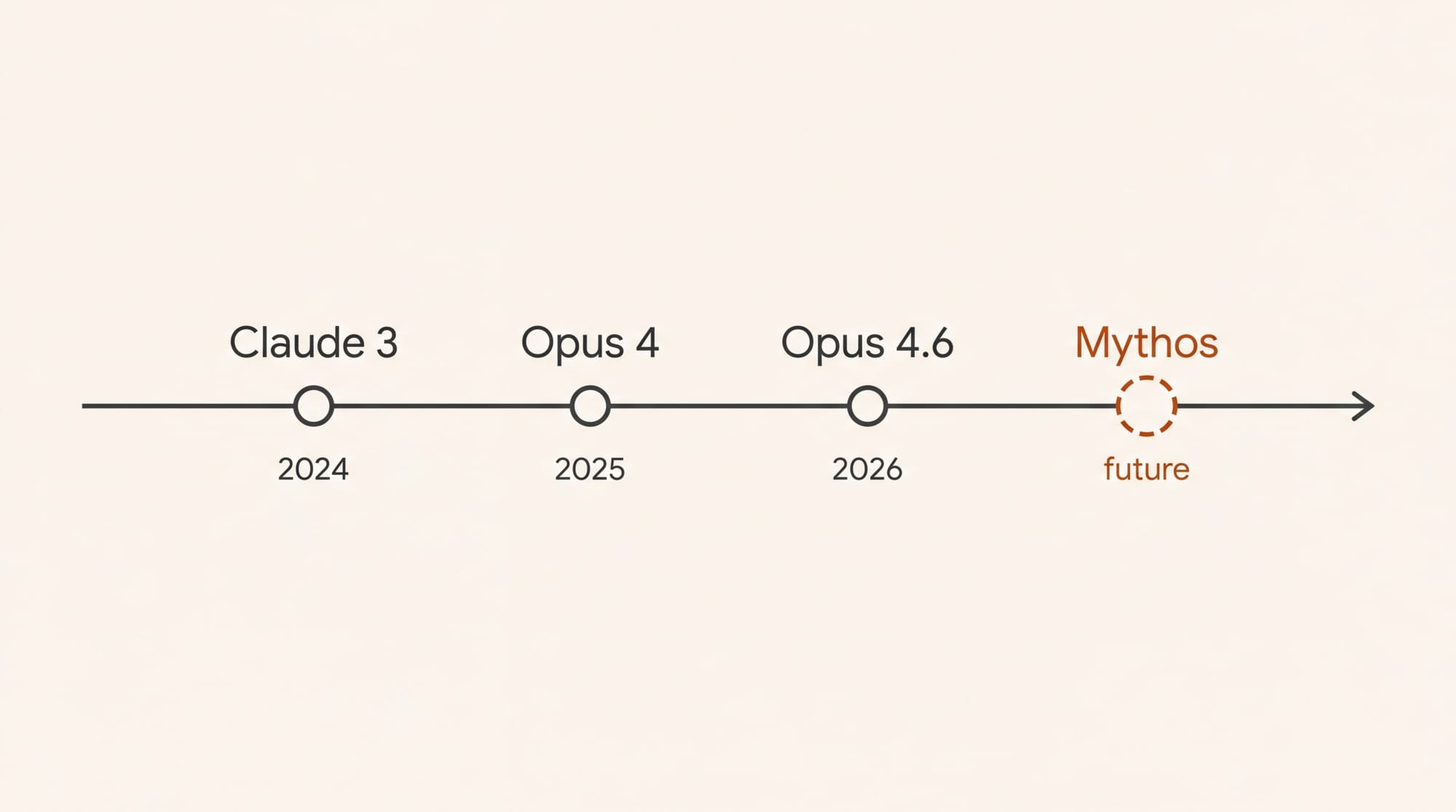
Anthropic has followed a predictable release cadence since Claude 3. Each model generation brings incremental improvements across reasoning, coding, and context handling. Claude Opus 4.6 extended context to 1 million tokens and introduced agent teams, making it the most capable model for complex creative and development workflows. The Claude Marketplace expanded Anthropic's reach into enterprise integrations. Standard pricing for 1M token context removed a cost barrier that had limited adoption.
But incremental improvement is different from a step change. Anthropic has not used that phrase for any previous model. Mythos, internally codenamed "Capybara," appears positioned as a new tier above Opus rather than a replacement, suggesting Anthropic sees it as categorically better rather than marginally improved.
Deep Analysis
What the Leak Actually Revealed
Security researchers Roy Paz and Alexandre Pauwels found roughly 3,000 unpublished assets in a publicly searchable data store belonging to Anthropic. Fortune first reported the exposure, which included a draft blog post detailing Claude Mythos alongside internal marketing materials and benchmark data. Anthropic attributed the leak to "human error" in content management system configuration, where assets defaulted to public unless explicitly set to private.
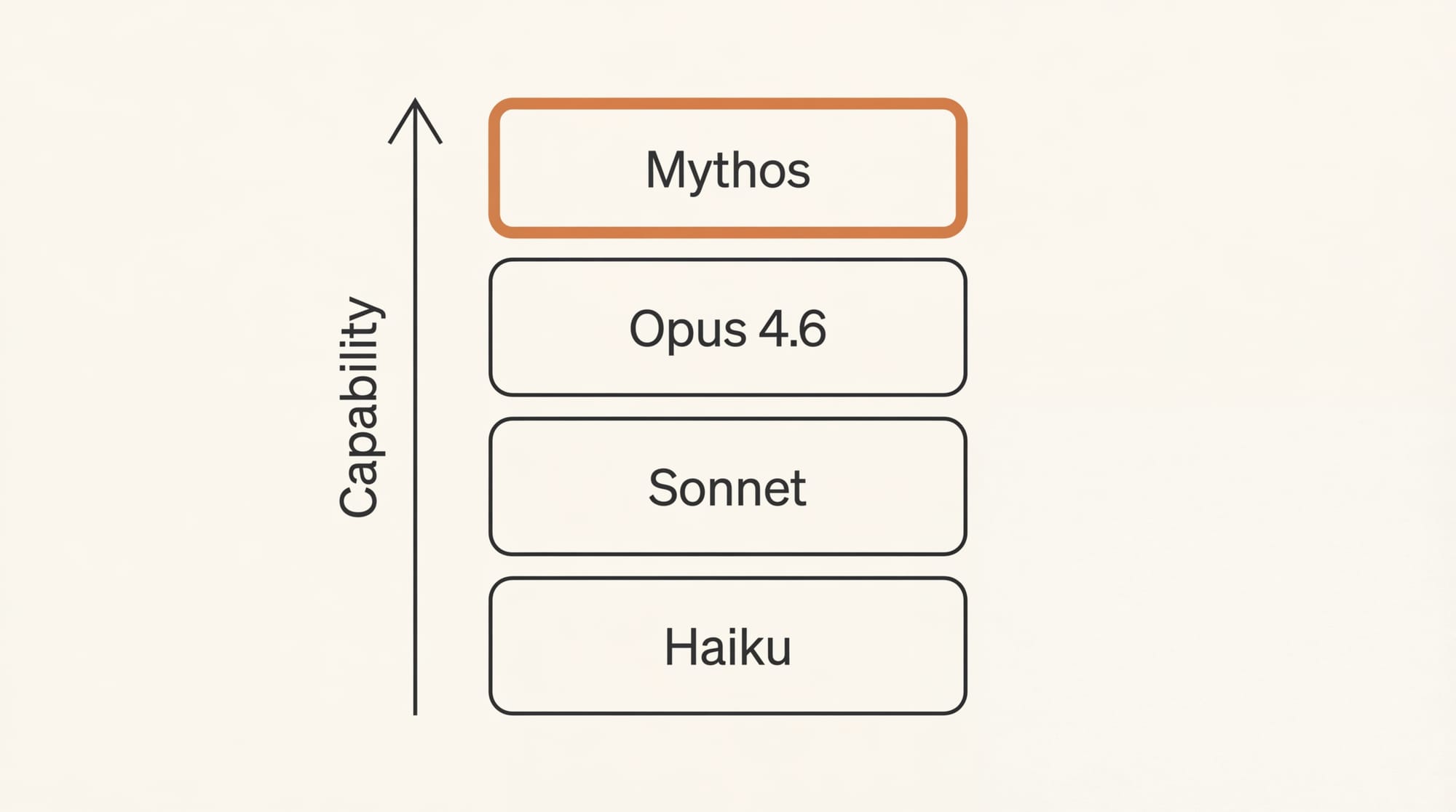
The leaked documents show Mythos outperforming Opus 4.6 on software coding, academic reasoning, and cybersecurity tasks. An Anthropic spokesperson confirmed the model is "currently far ahead of any other AI model in cyber capabilities." The company has started rolling it out to early access customers, prioritizing cybersecurity defenders over general availability.
This is not a minor lab experiment. The presence of marketing materials and a draft blog post indicates Mythos was approaching a public announcement when the leak occurred. Anthropic moved to confirm rather than deny, suggesting the model is closer to ready than the "testing" language implies.
The Cybersecurity-First Rollout Strategy
Anthropic's decision to prioritize cybersecurity defenders is the most revealing detail in the leak. Every previous Claude release followed a standard pattern: announce, benchmark, release to API customers, then expand access. Mythos breaks that pattern by gating access behind a specific use case before general availability.
The reasoning is straightforward. A model described as "far ahead of any other AI model in cyber capabilities" could be weaponized if released without safeguards. By giving defenders first access, Anthropic ensures the security community has time to integrate Mythos into defensive tools before attackers can probe its offensive potential. This mirrors the approach taken by Google's Project Zero, which gives software vendors 90 days to patch vulnerabilities before public disclosure.
For creators, this means a waiting period. Anthropic has not announced a general availability date. The phased approach could take weeks or months depending on the safety evaluation results.
What Mythos Means for Creative Workflows
The practical impact for creators depends on where Mythos actually improves. The confirmed categories are coding, reasoning, and cybersecurity. The leaked benchmark data reportedly shows major gains on complex multi-step tasks, the kind that current Opus 4.6 handles well but occasionally fumbles on very long chains of reasoning.
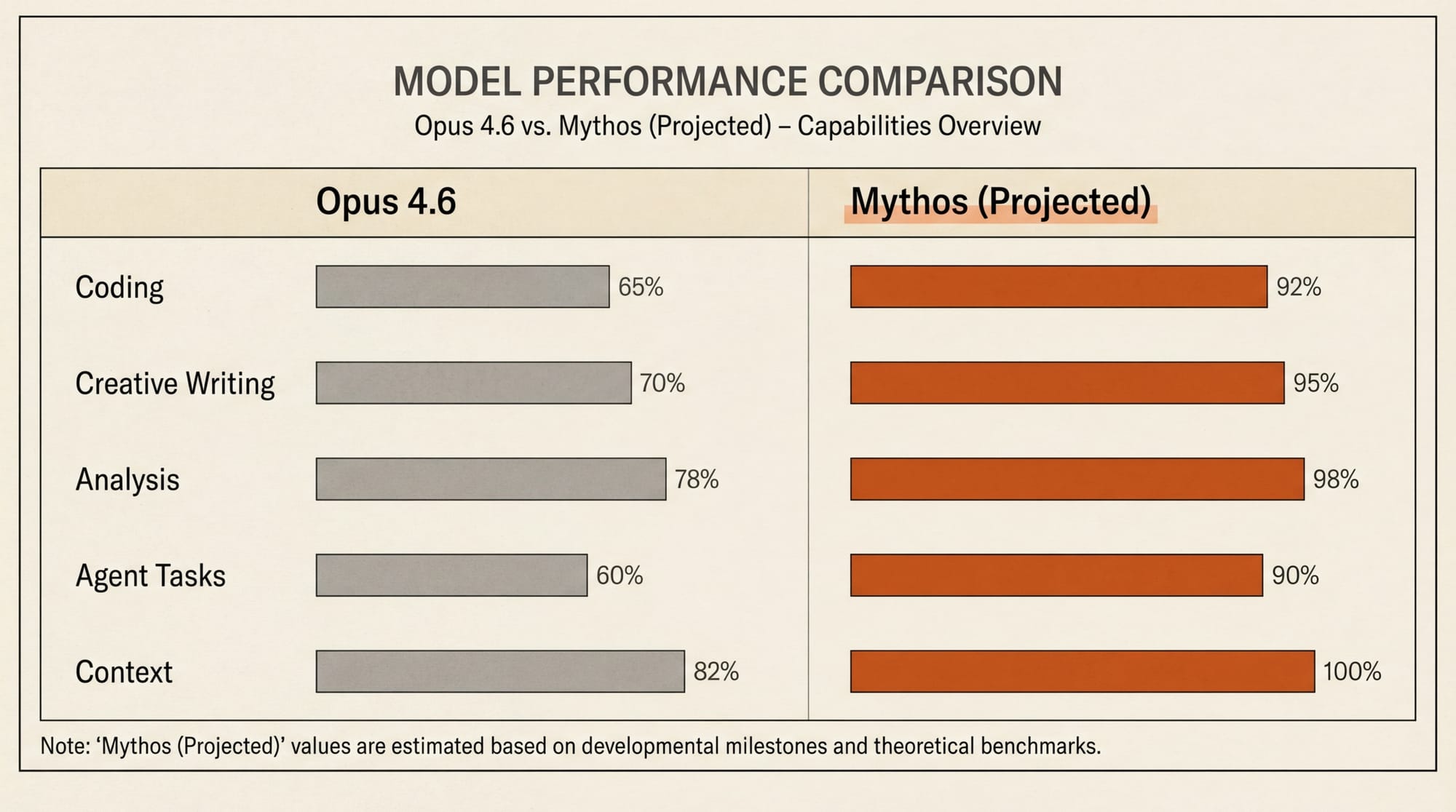
Better reasoning means fewer hallucinations in long-form content generation. Creators using Claude for writing, research synthesis, or content planning will see more reliable outputs on complex briefs. The coding improvements suggest that tools built on Claude, including Claude Dispatch and Code Review, will handle more ambitious automation chains without breaking.
Agent teams, introduced with Opus 4.6, stand to benefit the most. Multi-agent workflows where Claude coordinates several specialized sub-agents are the most demanding use case for reasoning capability. A step change in reasoning could make agent teams reliable enough for production creative workflows that currently require human supervision at each step.
The Accidental Transparency Problem
The leak itself raises questions about AI company security practices. Anthropic has built its brand on safety and responsible AI development. An unsecured data cache exposing 3,000 internal assets is a significant operational failure, particularly for a company that handles enterprise customer data and positions itself as the trustworthy alternative to competitors.
The incident also highlights how much AI companies control the narrative around model capabilities. Without this leak, Mythos would have been announced on Anthropic's timeline with carefully curated benchmarks and messaging. Instead, the public got raw internal documents that show the gap between what companies test internally and what they present publicly.
For creators and developers who build businesses on Claude, this kind of transparency, even when accidental, is valuable. It confirms that meaningful capability jumps are coming, reducing the risk that investments in Claude-based workflows will hit a capability ceiling soon.
Impact on Creators
Three groups feel the effects directly. First, developers building creative tools on the Claude API will need to evaluate whether Mythos justifies migration from Opus 4.6. If the capability gap is as large as "step change" implies, holding on to Opus would mean competing against tools using a materially better model. Second, creators who use Claude directly for writing, code generation, or research will see quality improvements that reduce the editing and verification overhead that currently limits AI-assisted workflows. Third, enterprise creative teams using the Claude Marketplace can expect integration partners to adopt Mythos quickly once it reaches general availability.
The unknown is pricing. Leaked documents explicitly state Mythos will be "very expensive for us to serve, and will be very expensive for our customers to use," with Anthropic working on computational efficiency before general release. Whether it will replace Opus 4.6 at the same tier or sit above it at a premium remains undisclosed. The recent move to standard pricing for long context suggests Anthropic is willing to be aggressive on access, but a "step change" model could justify a significant price increase.
Key Takeaways
- Mythos is confirmed as Anthropic's most capable model, positioned above Opus 4.6 with improvements in coding, reasoning, and cybersecurity
- Cybersecurity defenders get first access through a phased rollout, with no public timeline for general availability
- The "step change" language is unprecedented for Anthropic and suggests a larger capability gap than typical model updates
- Creative workflows built on agent teams and multi-step reasoning stand to benefit most from improved reliability
- The leak exposed 3,000 internal assets through a misconfigured CMS, raising questions about Anthropic's operational security
What to Watch
Watch for Anthropic's official announcement, which will include benchmarks, pricing, and a general availability timeline. The company has confirmed Mythos is real and in testing, so a public launch is a matter of when, not if. Monitor Anthropic's news page for updates. Enterprise Claude customers should contact their account representatives about early access programs. Developers building on the Claude API should prepare to test Mythos integration once API access expands. The competitive response from OpenAI and Google will also shape how quickly Mythos reaches broad creative tool adoption.
This story was covered by Creative AI News.
Subscribe for free to get the weekly digest every Tuesday.