Hume TADA: Open-Source TTS With Zero Hallucinations
Hume AI has released TADA (Text-Acoustic Dual-Alignment), an open-source text-to-speech model that eliminates a persistent problem in AI speech synthesis: hallucinated words
Hume AI has released TADA (Text-Acoustic Dual-Alignment), an open-source text-to-speech model that eliminates a persistent problem in AI speech synthesis: hallucinated words
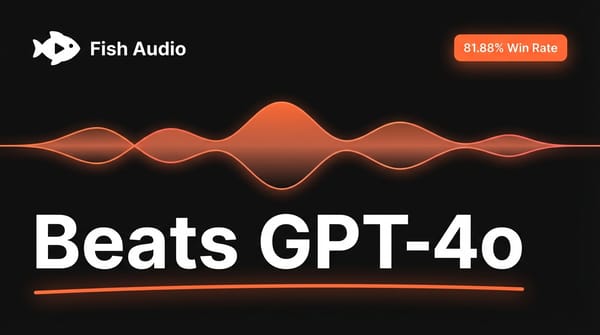
Fish Audio released S2, an open-source text-to-speech model trained on over 10 million hours of audio data spanning 50 languages. The model beats GPT-4o-mini-tts on the EmergentTTS-Eval benchmark with an 81.88% win rate, and ships with full weights, fine-tuning code, and a streaming inference engine
IBM released Granite 4.0 1B Speech on March 6, a compact multilingual speech model that now ranks first on the OpenASR Leaderboard for automatic speech recognition
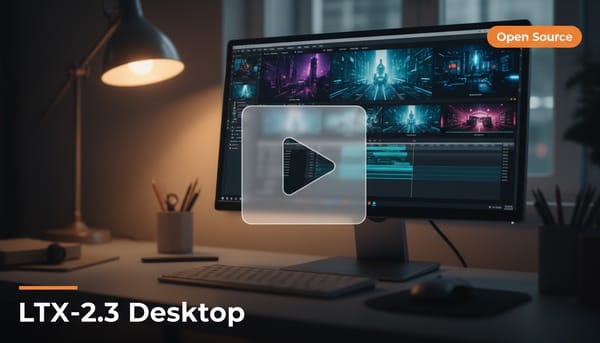
Lightricks released LTX-2.3 on March 5, 2026, a 22-billion-parameter open-source video generation model with native audio, portrait video support, and a companion desktop editor that runs the entire model locally. The release ships under Apache 2.0, making it free for commercial use and fine-tuning
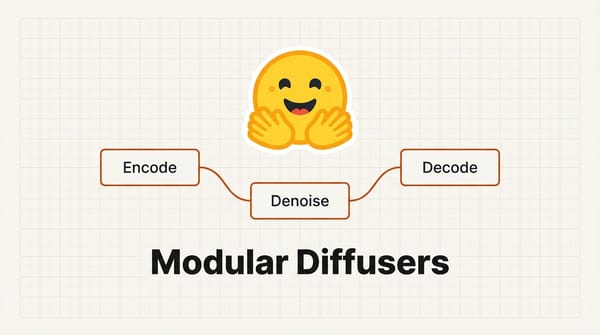
Hugging Face launched Modular Diffusers on March 5, replacing the monolithic DiffusionPipeline with a composable block system
Kiwi-Edit, a new open-source video editing framework from NUS ShowLab, launched on March 5, 2026, combining text instruction guidance with reference image control to handle both global and local video edits at 720p resolution

Xiaohongshu's Intelligent Creation team released FireRed-Image-Edit 1.1 on March 3, 2026, achieving a composite score of 7.94 across five authoritative benchmarks and claiming the top spot among open-source image editing models

Alibaba's Qwen team just released Qwen 3.5 Small, a series of four open-source models ranging from 0.8B to 9B parameters that run on phones, IoT devices, and browser tabs. The smallest model operates on a seven-year-old Samsung Galaxy S10E at 12 tokens per second

Zhipu AI released GLM-5 on February 13, 2026, a 744 billion parameter open-source model trained entirely on Huawei Ascend chips without a single NVIDIA GPU