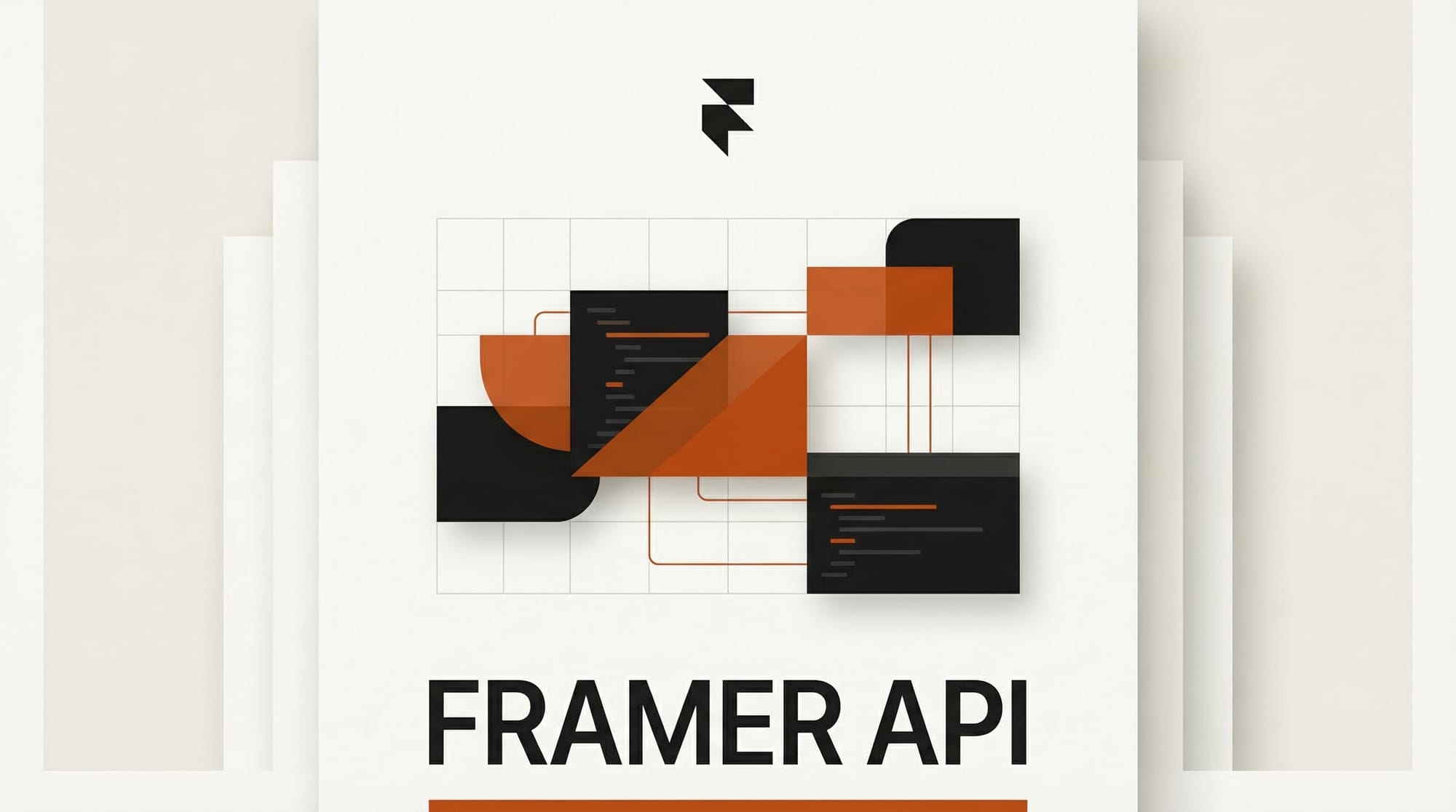
Framer has introduced its Server API in open beta, opening programmatic access to the design and publishing platform from any server environment. The API enables AI agents, webhooks, and scheduled jobs to manage Framer projects without manual interaction, marking a significant shift toward automated web design workflows.
What Happened
The new Server API shares the same capabilities as Framer's existing Plugin API but runs on any server rather than inside the Framer editor. It uses a stateful WebSocket channel, making it well suited for batch processing and LLM integrations that require persistent connections.
Key capabilities include syncing CMS collections programmatically, publishing changes to live sites, updating canvas elements and layouts, and changing project settings. Because the API can be triggered by AI agents, webhooks, or scheduled jobs, teams can build fully automated pipelines that design, populate, and publish Framer sites without opening the editor.
Alongside the Server API, Framer also rolled out its Convert add-on on March 9, bundling Funnels, A/B Tests, and a new Triggers system into a single package. With Triggers, creators can show banners based on referral pages, update messaging on specific dates, or display overlays based on scroll depth.
Framer also improved its AI-powered import workflow. When designs imported from Figma have inconsistent spacing, Framer AI can now fix padding, overlapping elements, and layout issues with a single click. The AI can also identify repeating patterns like blog cards and product listings and automatically map them into CMS collections.
Why It Matters for Creators
The Server API turns Framer into a headless design platform that AI agents can operate. A developer can build an agent that monitors a content database, generates new pages, populates CMS fields, and publishes updates to a live Framer site, all without human involvement. For freelancers and agencies managing multiple client sites, this means less repetitive work and faster turnarounds.
The WebSocket-based architecture is especially relevant for LLM integrations. AI coding tools like Claude Code or Codex can maintain a persistent connection to Framer, making iterative design changes in real time rather than through one-off API calls. This aligns with the broader trend of AI agents managing entire workflows from start to finish.
What to Do Next
Framer's Server API is in open beta now. If you maintain Framer sites, explore the developer documentation to understand what's possible with programmatic access. Start with a simple use case like auto-syncing blog posts from a CMS, then explore how AI agents can handle more complex tasks like layout generation and A/B test deployment.
This story was covered by Creative AI News.
Subscribe for free to get the weekly digest every Tuesday.