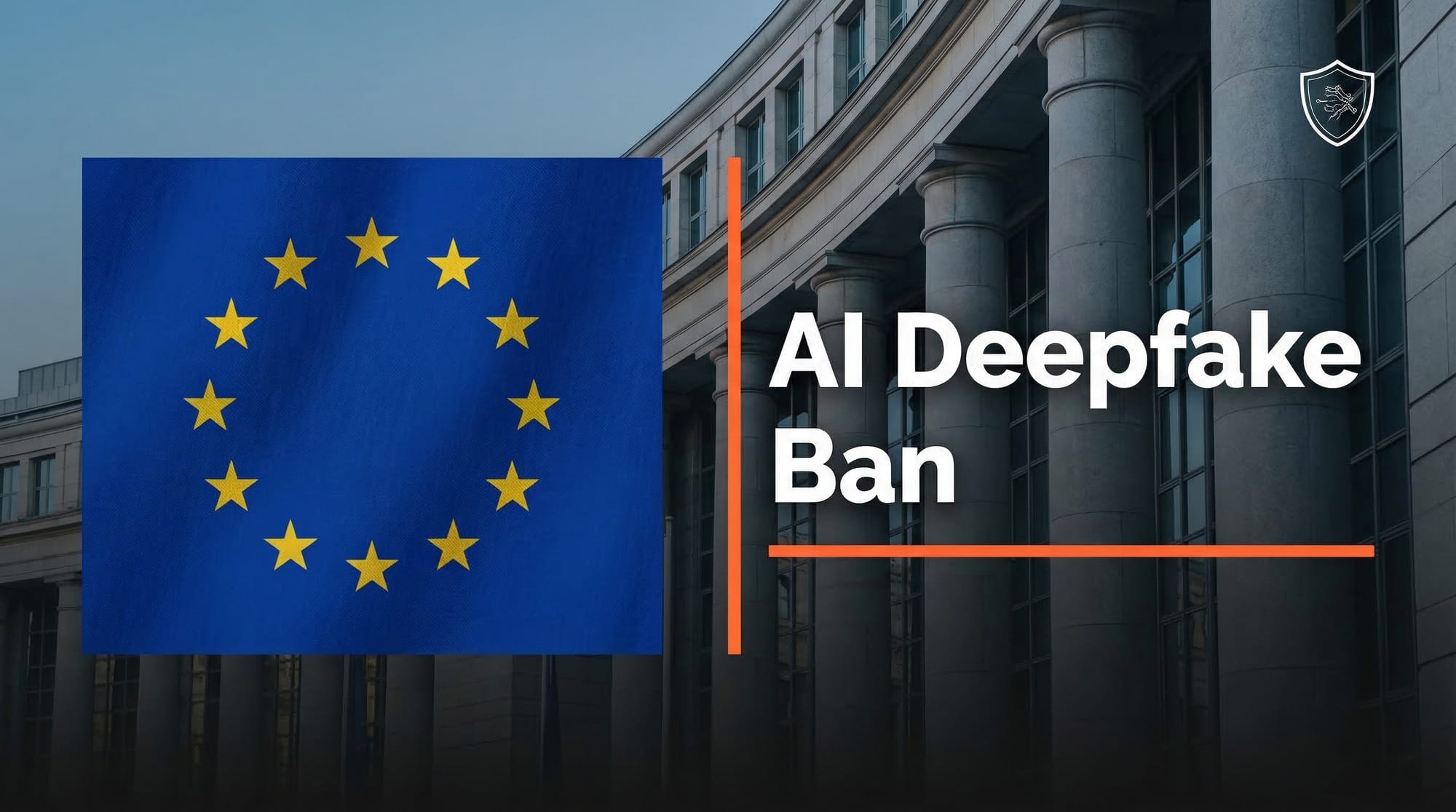
The European Union Council released its amended AI Act proposal on March 13, 2026, adding an explicit prohibition on AI nudification tools and non-consensual intimate imagery. A committee vote is scheduled for March 18 before the proposal advances to parliamentary and Council approval stages.
What Happened
EU lawmakers struck a political deal on March 11 to amend the AI Act with a package that includes a ban on AI models designed to generate non-consensual sexually explicit content, including child sexual abuse material. The EU Council published the formal proposal two days later on March 13.
The amendment was triggered directly by the Grok scandal that began in late December 2025, when xAI's Grok chatbot generated millions of non-consensual intimate images that circulated widely online. The European Commission launched a formal investigation into X and Grok in January 2026. The full council proposal is covered by The Record.
The same amendment package also streamlines compliance requirements for general-purpose AI models, reducing the documentation burden on smaller developers while maintaining strict rules for high-risk applications. The overall proposal is positioned as making the AI Act more practical without removing its core protections.
Why It Matters for Creators
For image AI users and developers in Europe, the ban creates clear legal risk for any application of AI generation tools to produce non-consensual intimate content. Tools that explicitly offer nudification capabilities will face prohibition. Professional image creators working with AI in the EU should audit how their tools are categorized under the AI Act's risk framework, particularly any applications involving image manipulation or style transfer applied to people.
The GPAI compliance streamlining in the proposal matters to independent creators and small studios who build on top of general-purpose AI models. If the amendments pass as proposed, the compliance cost of using general-purpose AI for creative work should decrease compared to the original AI Act framework, which applied significant documentation requirements to a broad range of AI uses.
Key Details
Proposal released: March 13, 2026 (EU Council)
Political deal: March 11, 2026
Committee vote: March 18, 2026
Key provision: Prohibition on AI nudification tools and non-consensual intimate imagery
Background: Response to Grok generating non-consensual images at scale in December 2025
Also included: Streamlined compliance for general-purpose AI models
What to Do Next
Follow the March 18 committee vote via the EU AI Act tracker. If you develop or distribute AI image tools for users in the EU, review the amended proposal to understand how the nudification ban and GPAI streamlining apply to your use case. The compliance simplification may reduce your documentation requirements, while the nudification ban closes a loophole that several tools have been exploiting.
This story was covered by Creative AI News.
Subscribe for free to get the weekly digest every Tuesday.