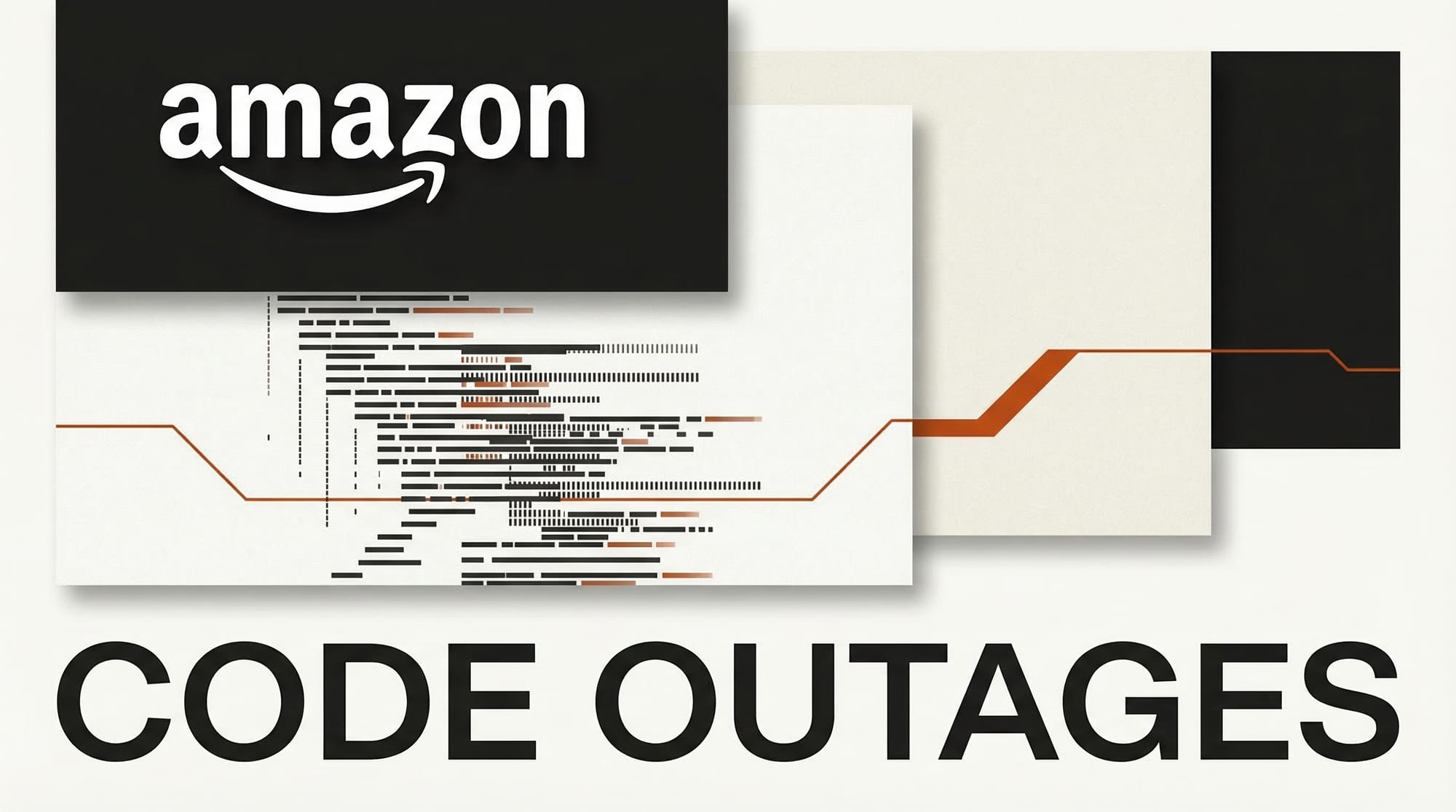
Amazon has launched an internal investigation into a series of service outages that may have been caused in part by generative AI-assisted coding tools used in its software development pipeline. The disruptions affected thousands of customers and raise pointed questions about the reliability of AI-generated code in production environments.
What Happened
According to a report from Reuters on March 13, 2026, Amazon is examining whether AI coding tools contributed to outages across multiple customer-facing services. The disruptions caused checkout failures during active shopping sessions, fluctuating and incorrect product prices, application crashes on web and mobile platforms, and difficulty accessing order histories.
The internal review follows growing pressure on Amazon to explain the root causes after thousands of customers reported problems. While the company has not confirmed that AI-generated code was the sole cause, the investigation is focused squarely on whether automated development tools played a contributing role.
Amazon is one of the largest adopters of AI coding assistance internally, using a combination of its own CodeWhisperer tool and other AI development platforms. The incident highlights a growing tension in the industry: companies are rapidly integrating AI into their development workflows, but the reliability of that AI-generated code at scale remains an open question.
Why It Matters for Creators
This incident arrives at a pivotal moment for AI-assisted development. Tools like Cursor, Claude Code, and GitHub Copilot have made AI coding a daily workflow for millions of developers and creators building apps, websites, and digital products. The "vibe coding" movement, where creators describe what they want and AI writes the code, has lowered the barrier to software development significantly.
But if AI-generated code can cause cascading failures at a company with Amazon's engineering resources, independent creators and small teams should pay attention. Most solo developers and freelancers lack the monitoring infrastructure to catch subtle bugs introduced by AI tools before they reach production.
The key takeaway is not that AI coding tools are unreliable. It is that AI-generated code requires the same review discipline as human-written code, and possibly more. Automated testing, code review, and staging environments remain essential even when AI writes the first draft.
What to Do Next
If you rely on AI coding tools to build and ship products, now is a good time to review your testing workflow. Make sure AI-generated code goes through automated tests before deployment. Use staging environments to catch issues before they reach users. Consider tools that compare AI-generated output against expected behavior before committing changes. AI coding tools are powerful, but human oversight at the deployment stage remains non-negotiable.
This story was covered by Creative AI News.
Subscribe for free to get the weekly digest every Tuesday.